
Real Rest: Why We Need It and How to Get It
I was the only one in the lodge office, 10 p.m., brain buzzing, eyes burning. And the list still wasn’t done. A quiet, persistent hum lingered in the back of my mind: just one more thing. One more email. One more task. One more reservation to review, confirm, or fix. It was the kind of thinking that convinced me rest was something I’d get to later—after everything was done.
The problem was, everything is never done.
 Drowning in “Just One More Thing”
Running a resort means there is always something waiting: a guest request, a maintenance issue, a scheduling puzzle, a last-minute change. Even when the day technically ends, it doesn’t really end. We live on the resort property, so work surrounds us.
I let it creep into everything. Into dinner, into conversations, into the late hours of the night when I should have been winding down but instead found myself back in the office completing “just one more thing.”
A Sabbath, real weekly rest, disappeared from my life. I still talked about rest, valued it, and of course, encouraged my guests to enjoy it. But the practice of it had been replaced with fragments. A few minutes here, a distracted hour there. Nothing consistent. Nothing protected. Nothing that allowed my mind or body to fully step away.
Every day blurred into the next. Even when I wasn’t actively working, I was thinking about work. If it wasn’t the books that refused to balance, it was the guest interaction that I kept mentally revisiting. I kept lying to myself that if I got one more task done now it would mean less to do tomorrow.
The Breaking Point
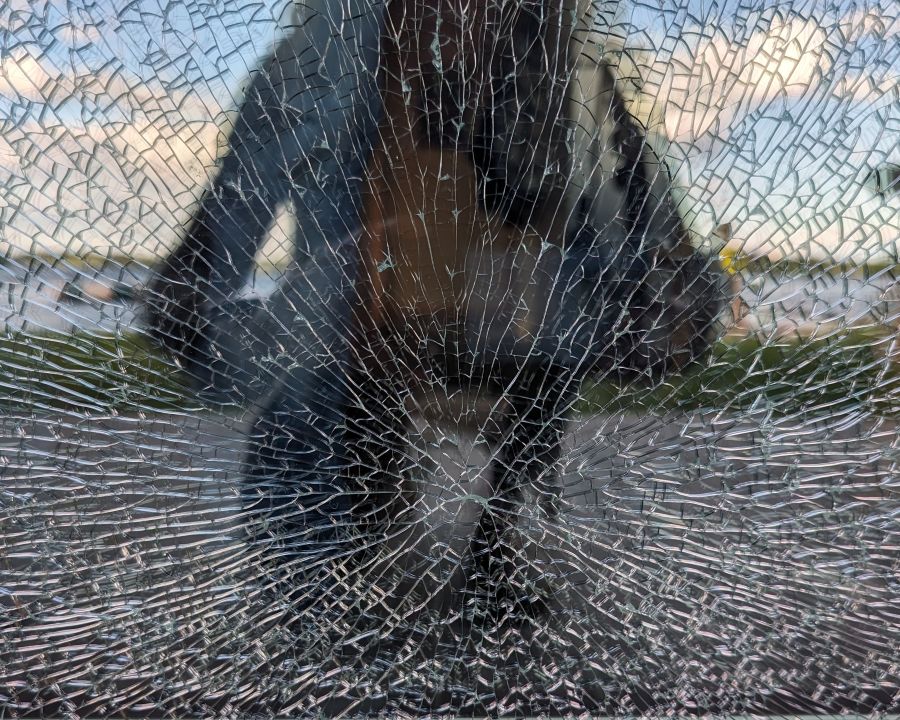
Over time however, that way of living started to take a toll. I had less patience and took out my frustration on people who didn’t deserve it. The sense that I was always behind, no matter how much I did, plagued me. I hated how my “free” time felt rushed or distracted. Family moments and special events felt divided because I couldn’t fully focus on them. I was burnt out.
Something had to change. And not a “try to.” A real, defined boundary: a specific time every night when work would end, no matter what task still begged for my attention.
And beyond that, something even more radical—a full 24 hours off the resort property every week. A true Sabbath.
 The Fear of Letting Go
 The Fear of Letting Go
If you’ve ever tried to step away from responsibility, you know the tension that comes with it. It isn’t just about stopping work. It’s about what stopping represents. What if something goes wrong while I’m unavailable? Will my staff do the right thing? Can my business still thrive without me? There’s a kind of fear that comes from a belief that everything depends on you. But if you’re honest with yourself, it’s pretty dang egotistical.
Choosing to step away meant choosing uncertainty. It meant accepting that I wouldn’t be able to control everything. I would have to let some things wait, and that was hard for me. I had to step out in faith and trust that it would be okay.

What Happened When I Stopped
So I made the decision. A nightly cutoff. At a certain time, I would stop work even if there were still emails to answer, tasks to finish, and an itch to cross another thing off my list. And I would try really hard to not talk about work after 10pm.
My husband, Brian, and I also decided to take time off together once a week. Not just off work, but physically off the property. We needed to remove ourselves from the environment that constantly pulled our attention back into responsibility.
Thus, we bought a cheap sailboat with a full kitchen and bathroom and docked it at a marina on the North Shore of Lake Superior. Now we have our own tiny “home away from home” where we can escape into nature away from everything for 48 hours a week.
At first, it felt wrong, and it was very hard to disconnect. My mind didn’t immediately relax just because my body had stepped away. I still thought about what needed to be done. And our employees often needed our help still. But after preparing staff better and agreeing to only be “off-grid” for 24 of those 48 hours, something interesting happened over time.
I was able to relax. And the work still got done. Not perfectly, but consistently. The resort didn’t fall apart because we stepped away for a set period of time.
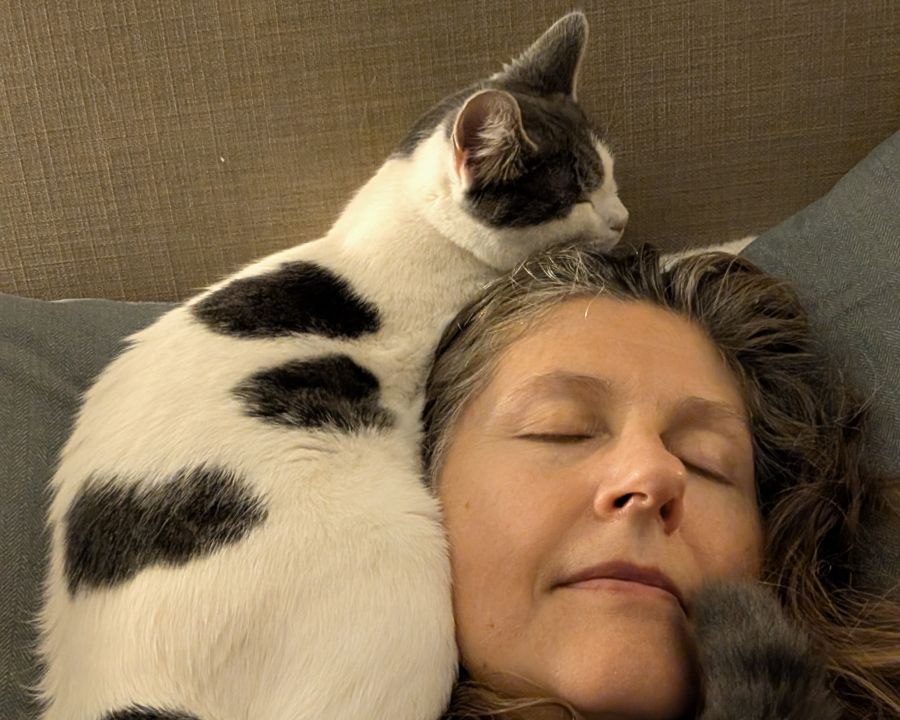
In fact, the anxiety that had been humming in the background began to quiet. I had more patience with others and with myself. I had more space to think, to reflect, to simply…be.
And perhaps most surprisingly, rest stopped feeling like something I had to earn. It became something I practiced.
So How Do We Get Real Rest?
If the idea of a full day of rest feels overwhelming, you’re not alone. It’s a significant shift, especially if you’re used to constant motion. The key is not perfection, it’s intention. I still don’t sabbath as well as I’d like, but I keep working at it. Here are my tips for planning and actually getting real rest.
Start with a decision. Decide that rest is not optional. It’s not something you’ll get to if everything else is done, but something that deserves a place in your life now. If a full day feels like too much, start smaller. Half a day. Even a few protected hours. The important part is creating consistency.
From there, preparation in three key areas makes all the difference.
Time
Choose a specific day or set of hours and communicate it clearly. Let your family, friends, and coworkers know when you will be unavailable, and stick to it. If your Sabbath constantly shifts or gets overridden, it won’t have the same effect. Protecting that time is part of what gives it value.
Place
Where you spend your rest matters. If you stay in the same environment where you work, it’s much harder to mentally disconnect. Physical distance can help create mental distance. This doesn’t mean you have to go far, but it does mean being intentional. Go somewhere that doesn’t pull you back into responsibility. Somewhere that allows you to exhale.
People
One of the biggest challenges to uninterrupted rest is other people not knowing, or not respecting, your boundaries. If the people in your life don’t understand that you’re unavailable during your Sabbath, interruptions are almost guaranteed. Set expectations. And, if needed, create a plan for how urgent situations will be handled without pulling you back in. Rest isn’t just about stepping away—it’s about creating the conditions that allow you to stay away.
What Rest Can Look Like
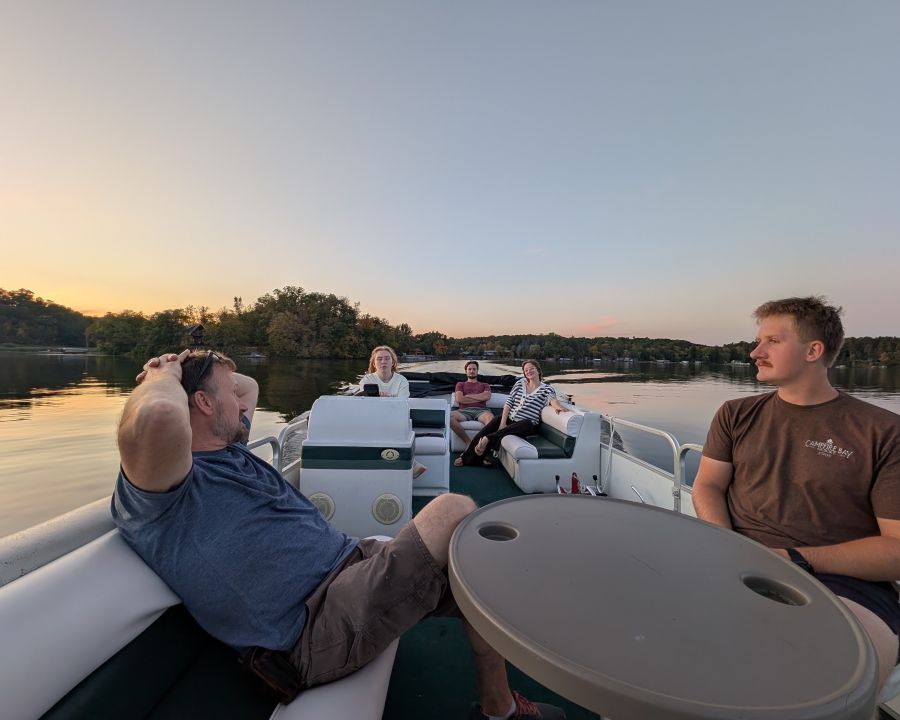
Sabbath rest is not one-size-fits-all. For some, it looks like extra sleep. For others, it’s movement—hiking, walking, being outdoors. Some people feel restored by connection, while others need solitude. The goal isn’t to follow a formula. It’s to engage in what genuinely restores you. That might look like:
Going for a long hike in nature
Meeting up with a friend you haven’t seen in a while (and giving both of you the gift of unhurried time)
Lighting a candle with a favorite scent that you reserve only for your time of rest
Sitting quietly, meditating, or praying
Listening to music without multitasking
Cooking a meal slowly, without rushing
And sometimes, real rest looks like doing very little at all. Just sitting. Being still. Allowing yourself to feel the discomfort of boredom without immediately reaching for distraction. That kind of stillness can be surprisingly powerful.
False Rest: Rest That Doesn’t Restore
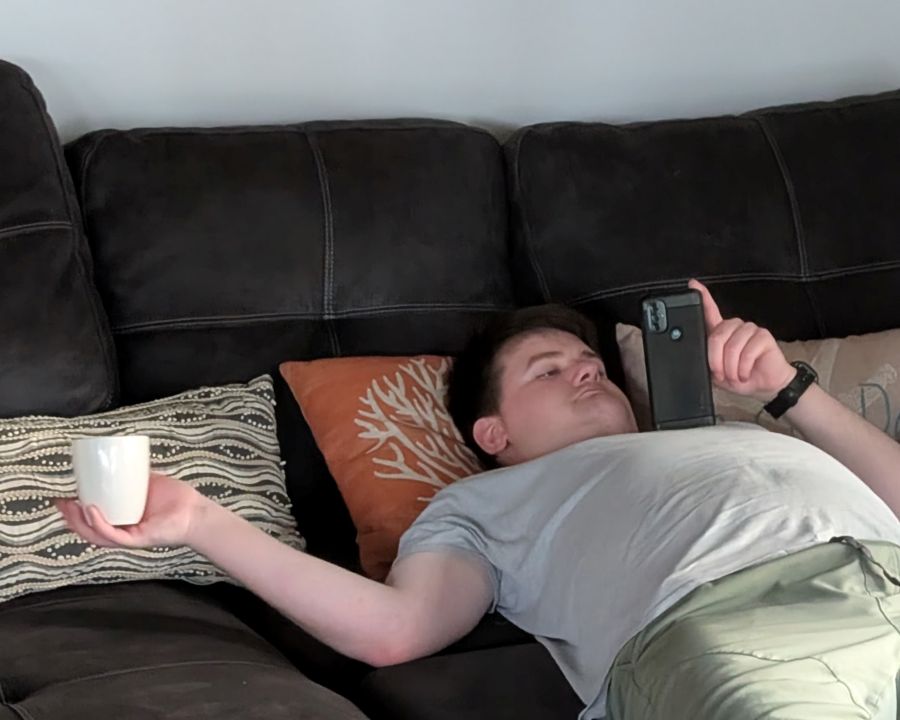
One of the biggest misconceptions about rest is that anything that feels like a break counts as true rest. But not all rest is equal. Scrolling through our phones, watching TV, or playing video games might feel relaxing in the moment—but research suggests they don’t provide the same kind of restoration as more intentional forms of rest.
Studies in cognitive science show that heavy screen use, especially passive consumption, can keep the brain in a stimulated state rather than allowing it to fully recover. Instead of reducing mental fatigue, it often prolongs it. Other research links excessive screen time with increased anxiety, disrupted sleep, and lower overall well-being.
This doesn’t mean screens are inherently bad. But when they become the default form of “rest,” they can crowd out activities that actually replenish you. True rest tends to share a few characteristics:
Our minds slow down rather than stay constantly engaged
It reduces stimulation instead of adding to it
We feel more refreshed afterward, not just distracted during
If our “rest” leaves us feeling just as tired—or more tired—than when we started, it might be worth rethinking what rest looks like for us.
A Different Way to Live
The idea of Sabbath—of regular, consistent rest—isn’t just about taking time off. It’s about reorienting how we approach time, work, and our own limits. It’s a reminder that our value is not tied to how much we can accomplish in a day. Stopping is not failure—it’s part of a sustainable rhythm.
The truth is, there will always be more to do. That to-do list never ends. There will always be another task waiting, another detail to manage, another reason to keep going. But there is also life happening outside of that list.
Choosing Sabbath is choosing to step into that space—regularly, intentionally, and without apology. It’s choosing to trust that the work will still be there when we return—and that we’ll be better equipped to meet it because we allowed ourselves to rest.
And it starts, sometimes, with a simple but powerful decision: Today, at a certain time, I will stop.
Even if the list isn’t done.