
What Are Northern Lights?
You don’t need a plane ticket to Iceland to see the aurora. In Minnesota, you just need to look up. The Northern Lights are appearing more than ever in Minnesota—and the science behind them is just as stunning as the view.
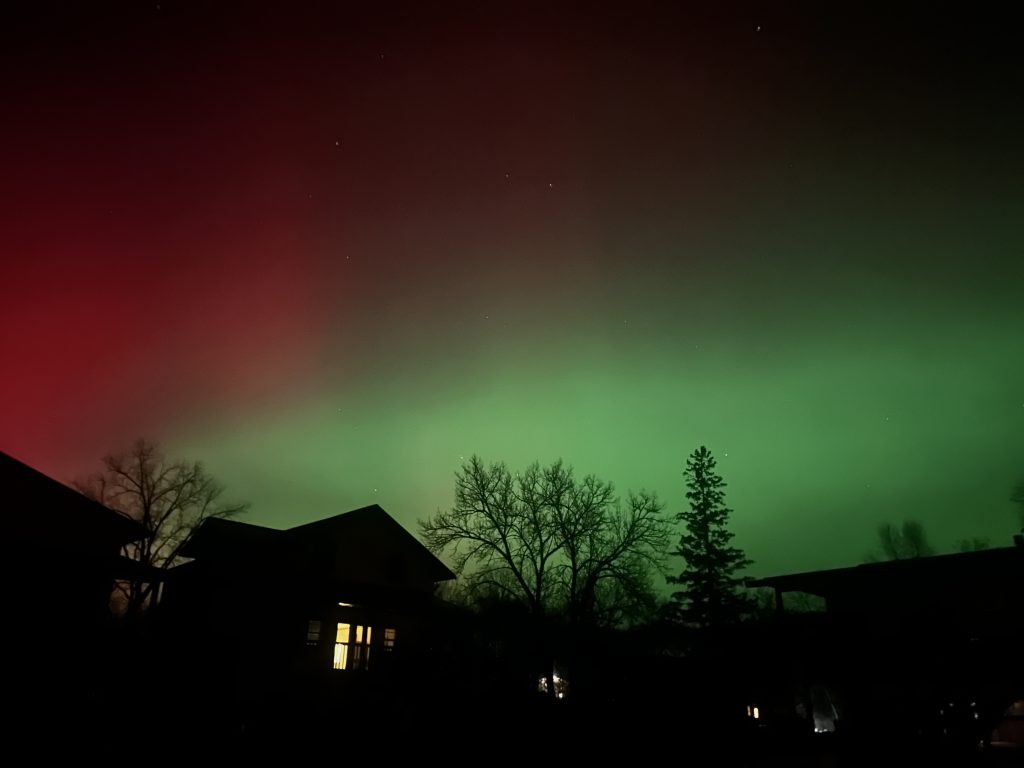
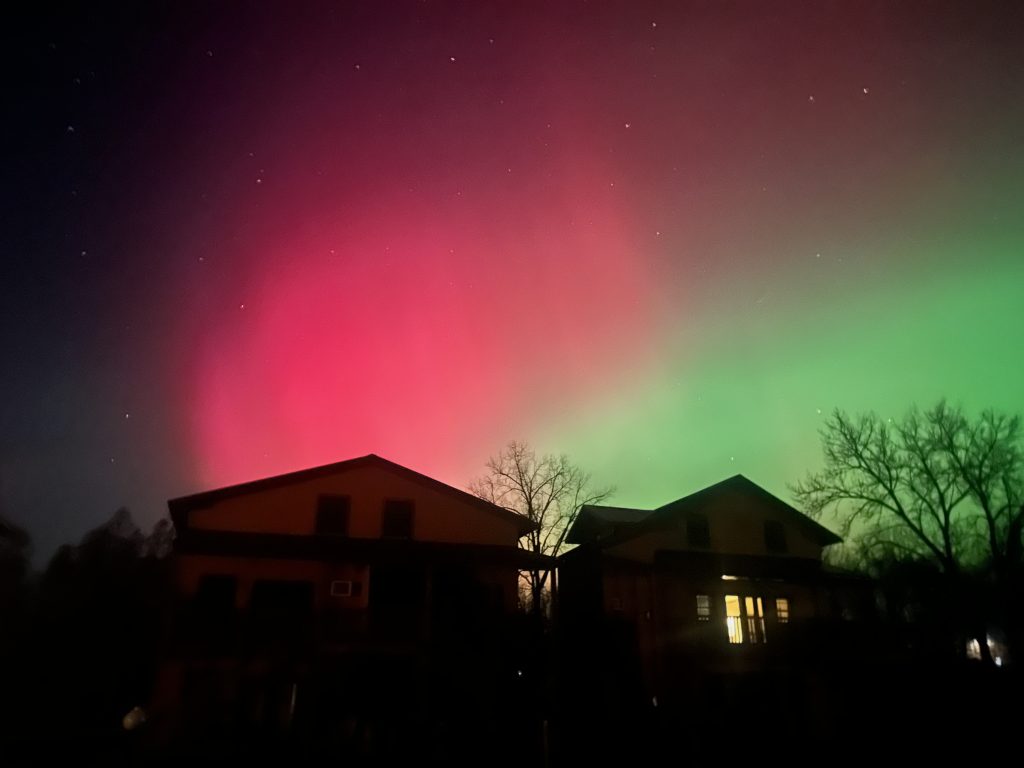
I’ve personally witnessed the Northern Lights almost four times this past year! Just a few months ago, the most brilliant display of reds and greens could be seen throughout the entire sky. One of my college physics professors specialized in electromagnetism, which causes the Aurora Borealis (or northern lights), so I had the opportunity to learn about this incredible natural phenomenon from an expert. Here is some of what I learned!
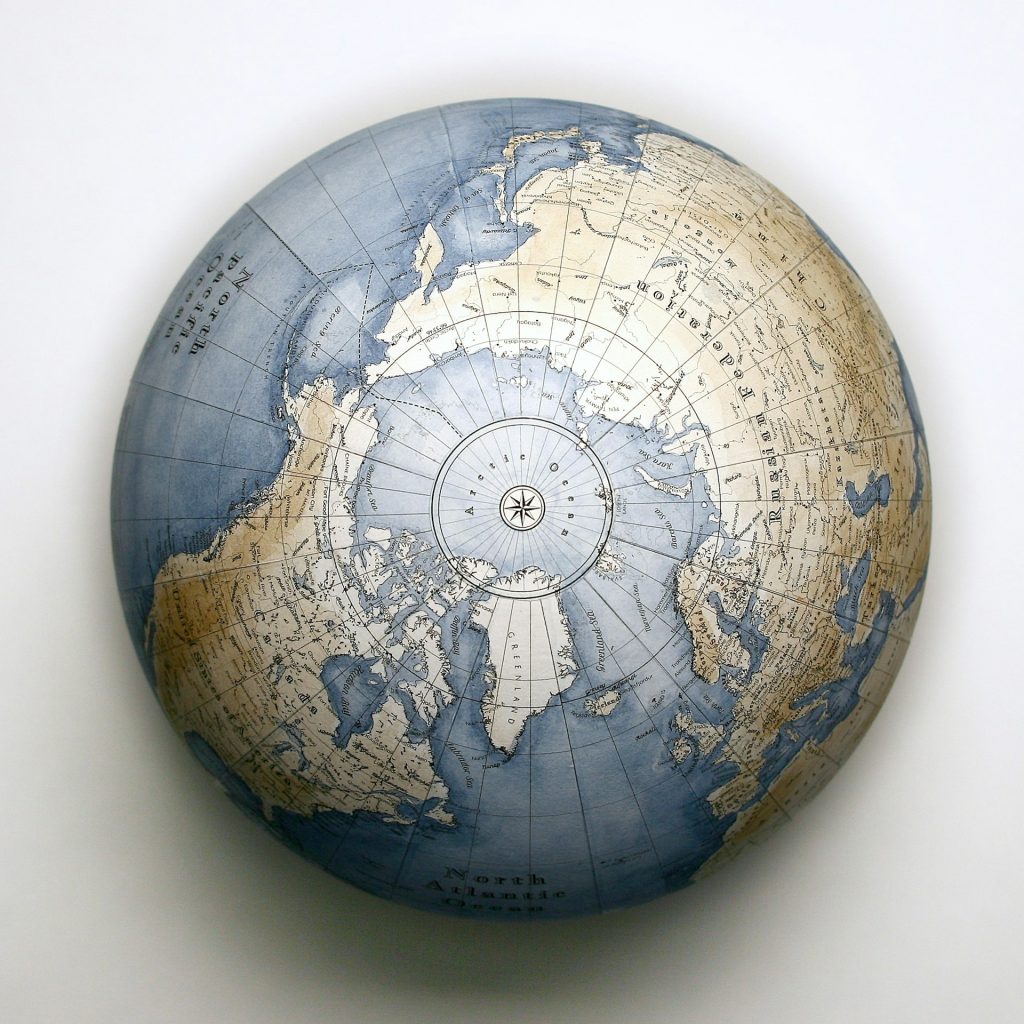
The Science Behind Northern Lights
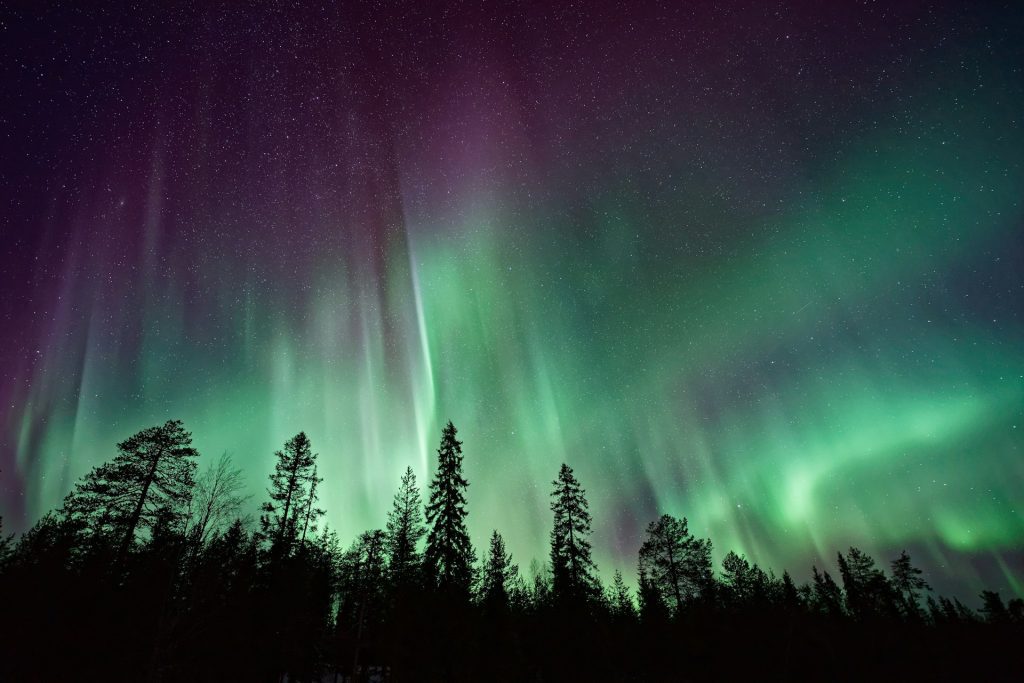
The Northern Lights start nearly 93 million miles away—on the surface of the sun. Our sun is constantly bubbling with energy, and sometimes it releases massive bursts of charged particles in the form of solar flares (or solar winds). When these particles reach Earth, our magnetic field guides them toward the North and South Poles. Energy from these particles begins to rain down into our atmosphere and collide with gases. This collision releases energy in the form of light. Observers can see a variety of aurora colors, including red, pink, purple, green, blue, and yellow.
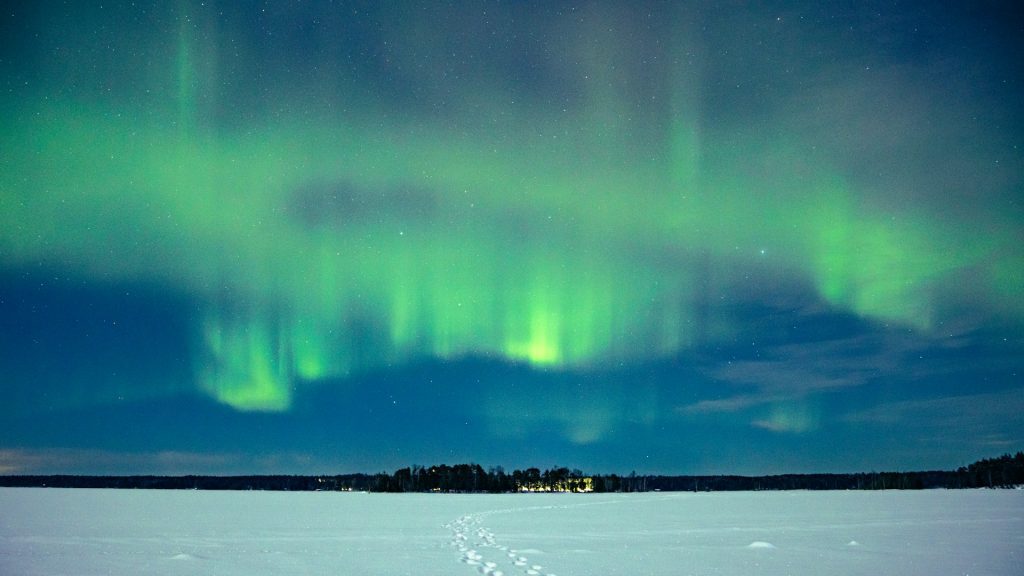
Different colors appear at different altitudes:
- Red: from oxygen colliding at even higher altitudes (150+ miles). The collisions happen with less energy. Only occurs during intense solar flares, as oxygen is less abundant at high altitudes.
- Green: from oxygen colliding with charged particles about 60–150 miles up. This area has a higher concentration of oxygen, so green is the most commonly seen color.
- Purple and pink: from a collision with nitrogen molecules. Purple is seen at a lower altitude (around 60 miles), and blue is seen even lower. Pink appears when purple and blue lights mix. Like red, these colors are only seen under intense solar flares.
Why Minnesota Sees the Northern Lights?
Minnesota sits in a perfect sweet spot for aurora viewing. While we’re not as far north as Canada or Alaska, we’re still close enough to the auroral oval–the ring of energy around the poles where Northern Lights are most likely to appear. During strong solar storms, that oval expands south—and that’s when brilliant displays treat Minnesotans.
We’re also in an active phase of the sun’s 11-year solar cycle, meaning more frequent and stronger solar eruptions. The sun is in a solar maximum, meaning it has more sunspots and more solar flares. The solar maximum is not only stronger than previously predicted, but it’s also expected to last until 2030. This boosts our chances of catching auroras even farther south than usual for the next 5 years.
And let’s not forget one more advantage: dark skies. Minnesota’s rural areas, lakes, and wide-open horizons make it easy to escape light pollution and get a clear northern view. It all adds up to a state that’s surprisingly aurora-friendly—especially in recent years.
How to Watch for Northern Lights in Minnesota
Unfortunately, it’s notoriously difficult to predict when Northern Lights will appear. They are a naturally occurring phenomenon after all! The National Oceanic and Atmospheric Administration monitors geomagnetic activity through an extensive database designed to predict the auroral displays.
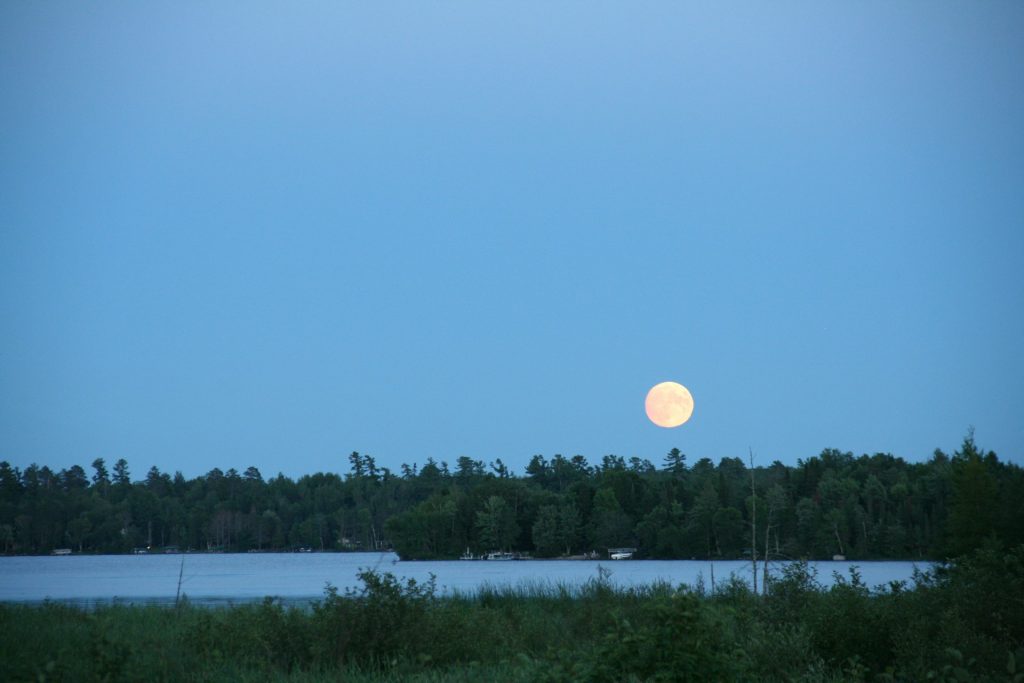
Other factors include whether you will be able to view the Northern Lights, including: how clear the sky is, how bright the moon is, and where you are. If it’s cloudy out, it will be difficult to see anything. When the moon is bright, the lights appear less vibrant. If you’re too far south, outside the auroral oval, you may not be able to view the lights at all.
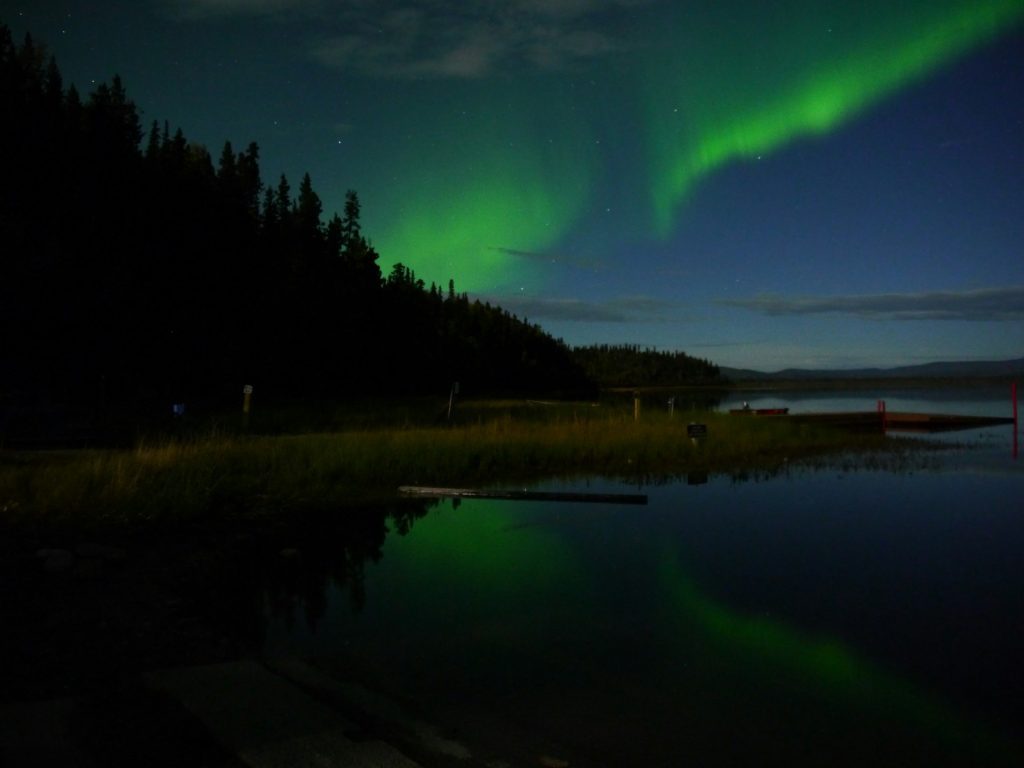
If activity is high, the sky is clear and dark, and you’re in the right spot, you will want to take additional steps to enjoy the lights to the best of your ability!
- Get to the darkest area you can find. Background lights may hinder your ability to see everything. This may require traveling to a rural area and leaving big cities.
- Watch the forecasts to predict when the lights will be brightest. Northern Lights can show up at unexpected times, so sometimes it’s best just to wait outside–depending on the time of year.
- Look to the north! The lights will begin in the north and then travel south as they intensify.
- Pack a camera. Often, you will see the lights more vibrantly on a camera.
Call to Action
The Northern Lights may feel rare and mystical, but Minnesota is becoming one of the best places to spot them. With a little understanding of the science, a watchful eye on space-weather alerts, and a clear northern horizon, you’re well on your way to catching your own sky show.
So the next time the forecast hints at an aurora, grab a blanket, step outside, and look up. And if you’re craving an unforgettable view, Campfire Bay Resort offers dark skies, quiet nights, and the perfect backdrop for watching the skies dance.
Keep an eye on the sky—your next aurora viewing might be closer than you think.