
Minnesota’s Groundhog: Meet the Woodchuck (Marmota monax)
Image of a groundhog taken by Camerauthor Photos
Think groundhogs only predict the weather? Not in Minnesota. Our woodchucks are busy digging tunnels, shaping ecosystems, and living far more interesting lives than any shadow-seeking celebrity.
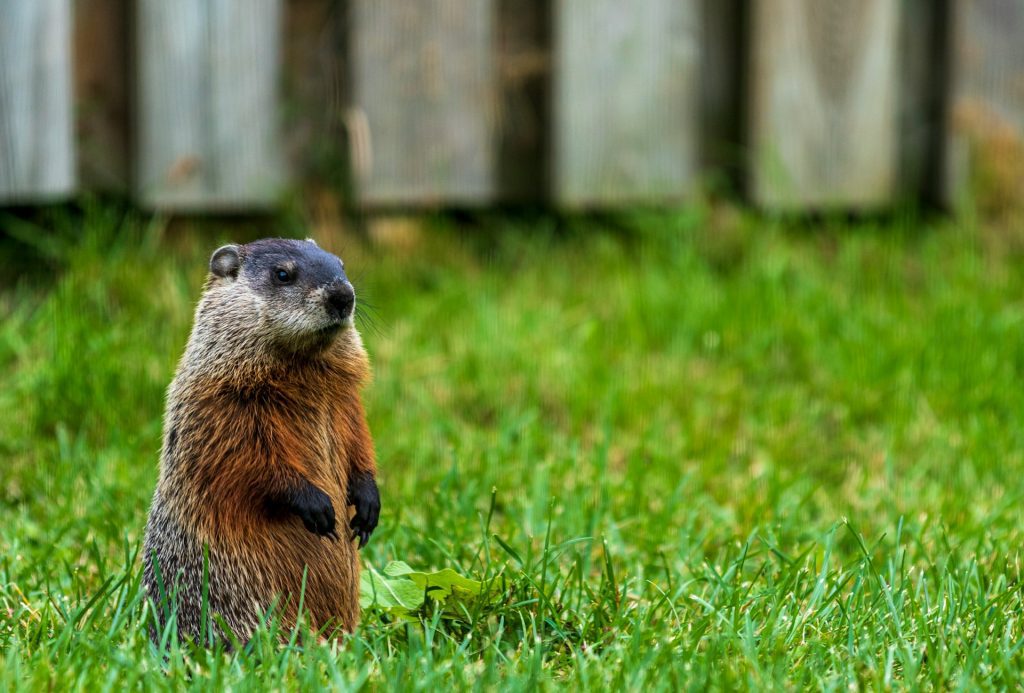
When most people think of Groundhog Day, they picture Punxsutawney Phil popping out of a stump somewhere far from here. However, Minnesota has its own star — the woodchuck, also known as the groundhog, scientifically classified as Marmota monax. These chunky members of the squirrel family roam fields, forest edges, and lakeshores throughout the state.
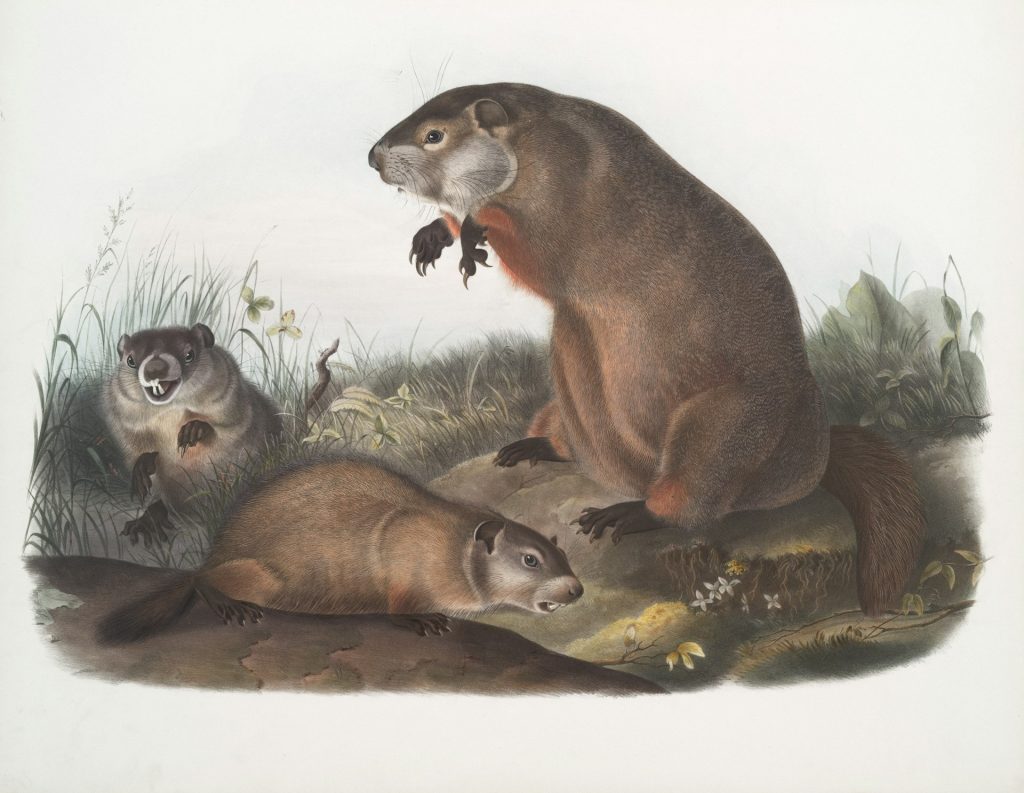
What is a Woodchuck? (Groundhog 101)
Woodchucks, or groundhogs, are one of Minnesota’s most recognizable wild mammals. Their scientific name is Marmota monax, and they belong to the family Sciuridae, commonly known as squirrels. Unlike the tree-dwelling critters you see darting around your backyard, woodchucks are burrow-loving, ground dwellers.
A typical adult woodchuck weighs between 4 and 9 pounds and stretches about 16 to 26 inches long, with a bushy tail that adds a few more inches. Their thick fur, usually a mix of brown and gray, keeps them warm during Minnesota’s harsh winters. Strong claws make them perfect tunnel diggers!
Ever wondered where the name “woodchuck” comes from? Surprisingly, it has nothing to do with throwing wood. The term actually comes from the Algonquin word “wuchak”, meaning “digger” -a nod to the animal’s presence in North America long before settlers arrived.
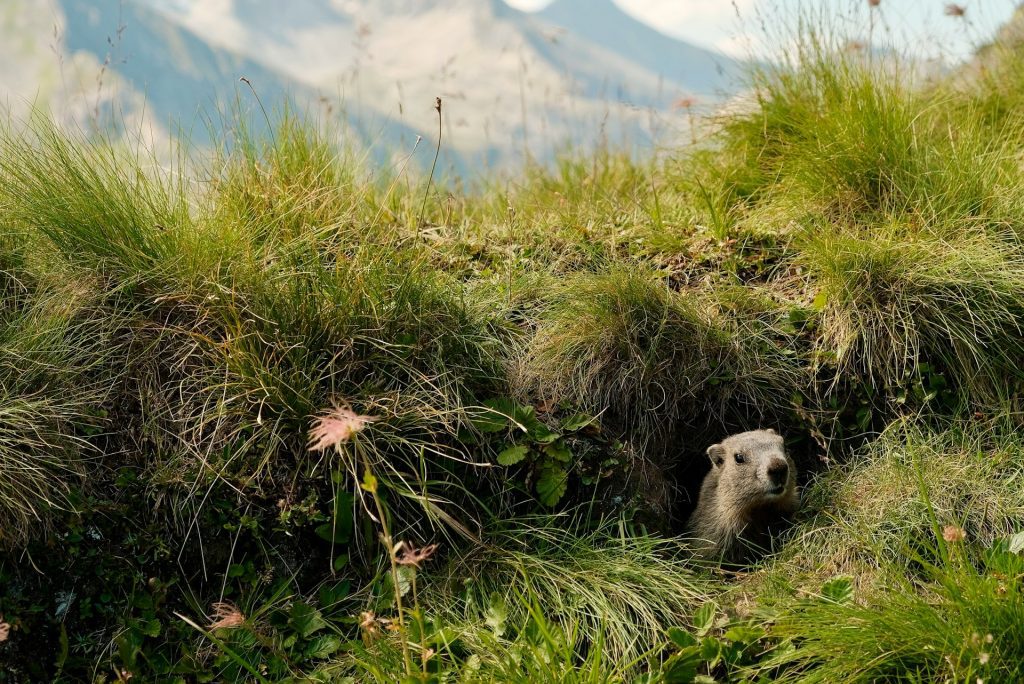
Image of a groundhog by Toru Wa
Where Do They Live?
M. monax is the most widespread marmot in North America, and Minnesota is one of its favorite places to call home. You’ll find woodchucks in all kinds of ecosystems— fields, forest edges, roadsides, and open meadows. Our mix of woodlands, prairies, and abundant water makes the state an ideal habitat for these rodents.
Although they prefer wild or semi-wild areas, woodchucks can also be found in suburban or urban areas. Habitat loss, plentiful food, and the need to avoid predators sometimes push them closer to people. When they move in, they may dig under sidewalks or snack on garden plants, which can cause conflicts. Their talent for burrowing is impressive—just not always appreciated when it’s under your tomatoes!
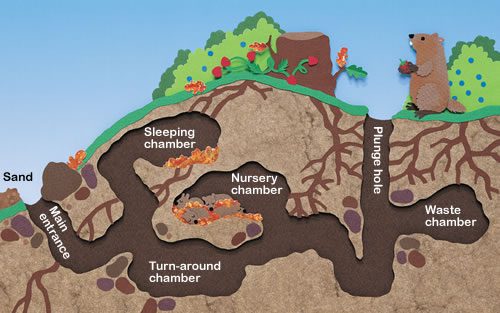
Image of groundhog burrow chambers from WisconsinPollinators.com
The Engineering Genius: Woodchuck Burrows
If woodchucks handed out resumes, “master excavator” would be at the top. These animals are incredible diggers, carving out burrow systems that can stretch 30 feet or more underground. A single woodchuck can move hundreds of pounds of soil in the process, which isn’t bad for a mammal the size of a housecat.
Their burrows aren’t just simple holes. They’re multi-room homes built with intention. Woodchucks create separate chambers for sleeping, raising young, hiding from predators, and even using the bathroom (yes, they keep things tidy). A typical burrow features multiple entrances, including a main front door, a hidden back exit for emergencies, and side tunnels that facilitate ventilation and aid in escape routes.
Spotting a burrow is fairly easy — look for a large, round hole surrounded by a mound of freshly dug soil. If you do find one, just admire it from a distance. Woodchucks are shy, but they deserve their space, and their habitat is best appreciated from aboveground anyway.
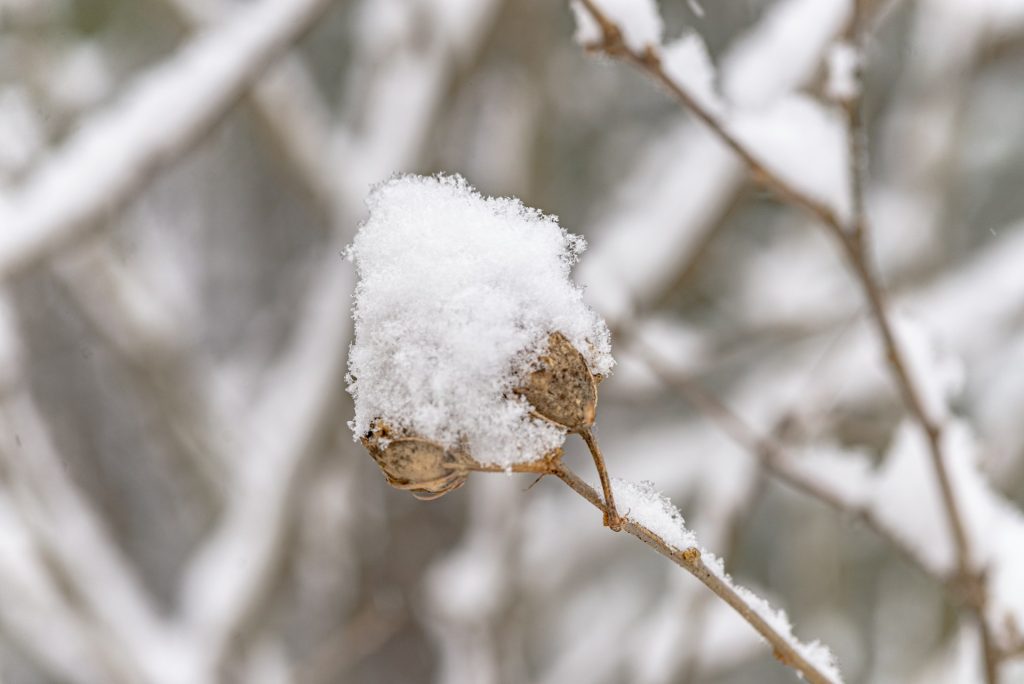
Image taken by Monique Caraballo
True Hibernators
Woodchucks are one of Minnesota’s true hibernators. The word hibernation tends to be misused. Most of the iconic winter-sleeping animals you think of when you hear “hibernation” are actually in a state of reduced physiological activity called torpor. Torpor is a lighter form of hibernation, where animals rest for shorter periods and can be easily awakened. I hate to be the bearer of bad news, but bears don’t actually hibernate. See what I did there?
So, what does this true hibernation thing look like? The marmots dramatically drop their body temperatures, sometimes to near freezing. Their metabolism is reduced to as low as 4% of normal amounts. The unrequired body heat and metabolism rapidly decrease their heart rate–nearly every body system required for keeping you alive plummets into inactivation. From late fall to early spring, these animals are completely dormant. Sadly, groundhogs sleep through their own celebratory day.
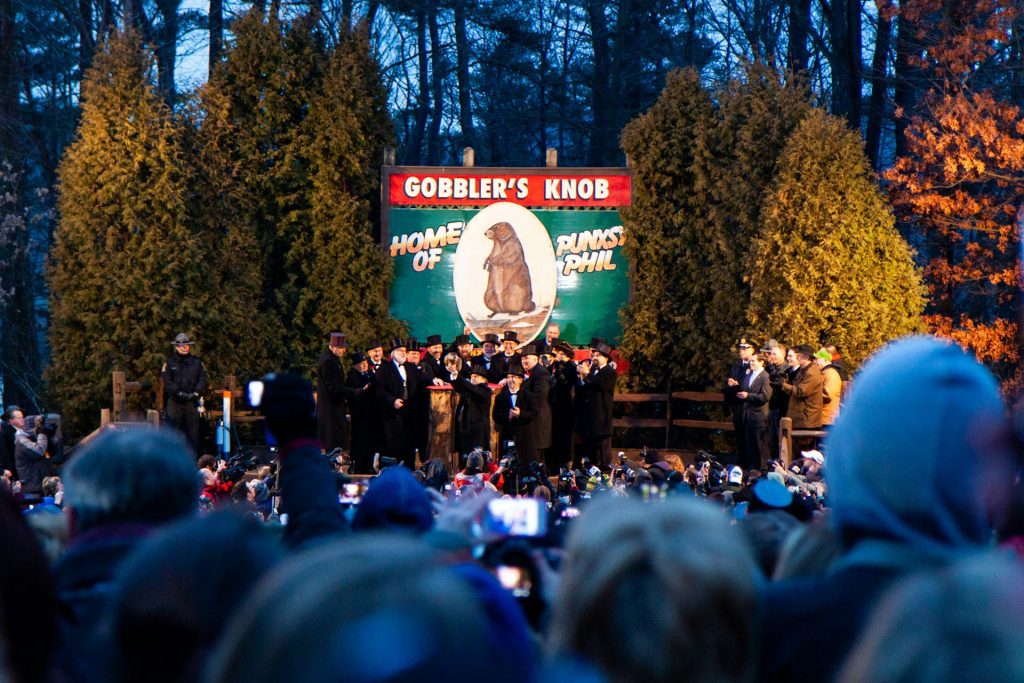
Image of a Groundhog’s Day celebration taken by Steve Wrzeszczynski
The Weather Myth
Every February, the nation waits to see whether a certain Pennsylvania groundhog will predict an early spring. It’s a charming tradition—but if you’ve ever spent a winter in Minnesota, you know better than to take weather advice from a rodent.
The tradition itself originates in old European folklore, where people watched for hibernating animals, such as badgers and hedgehogs, to signal the changing seasons. When settlers brought the custom to North America, the groundhog became the stand-in star. It’s a fun bit of history, but not exactly rooted in biology or Minnesota’s climate.
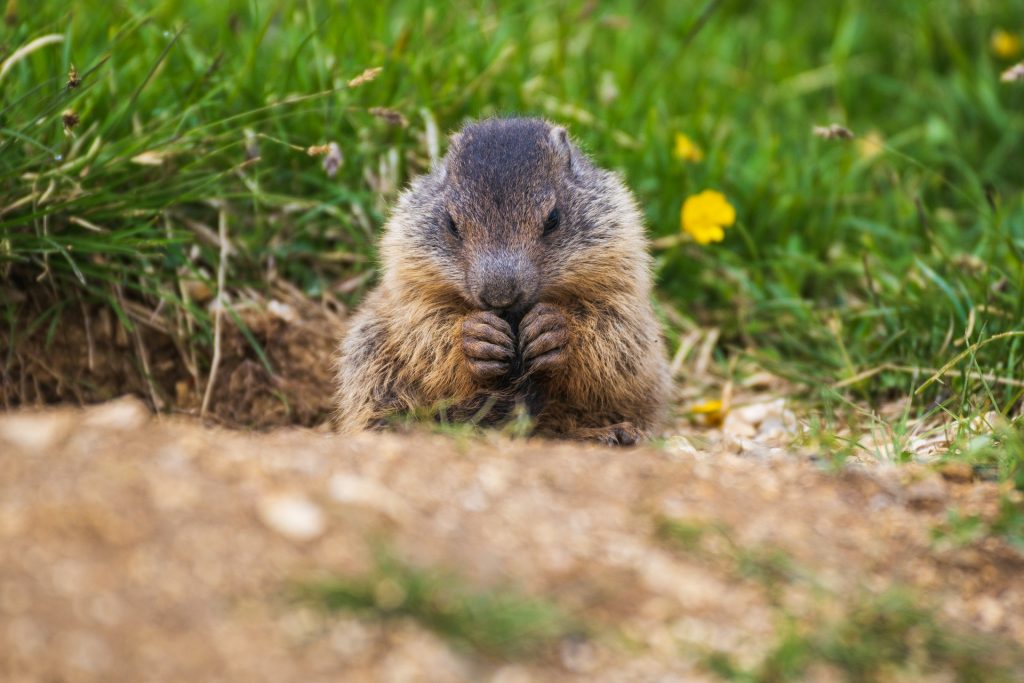
Image of a groundhog by Nikita Krassiouk
Why They Matter–and Why We Should Appreciate Them
Woodchucks may not get the same attention as loons or deer, but they quietly play a valuable role in Minnesota’s ecosystems. Their extensive burrows help aerate and mix the soil, improving drainage and nutrient cycling. As part of the food chain, woodchucks support predators like coyotes, bobcats, eagles, and owls.
It’s easy to overlook woodchucks or think of them only as garden snackers, but they’re far more than that. They’re a sign of a healthy, connected habitat. The next time you spot one waddling along a field edge or standing tall to scan the surroundings, take a moment to appreciate the wild character they bring to Minnesota’s landscape.
Whether you’re exploring trails, relaxing at a cabin, or watching wildlife from your porch, keep an eye out for these underrated neighbors. Come check out Campfire Bay Resort to see all sorts of wildlife! If you’re interested in more blog posts like this one, check back every 2 weeks on the At The Campfire blog.