
The History and Significance of Earth Day
Image by Francesco Gallarotti
Every April, Earth Day invites us to pause and reflect on the natural wonders we rely on, cherish, and have a responsibility to protect. Here in Minnesota, that celebration runs especially deep. With our lakes, forests, prairies, and wildlife woven into our identity, Earth Day feels less like a single date on the calendar and more like a reflection of who we are as a state.

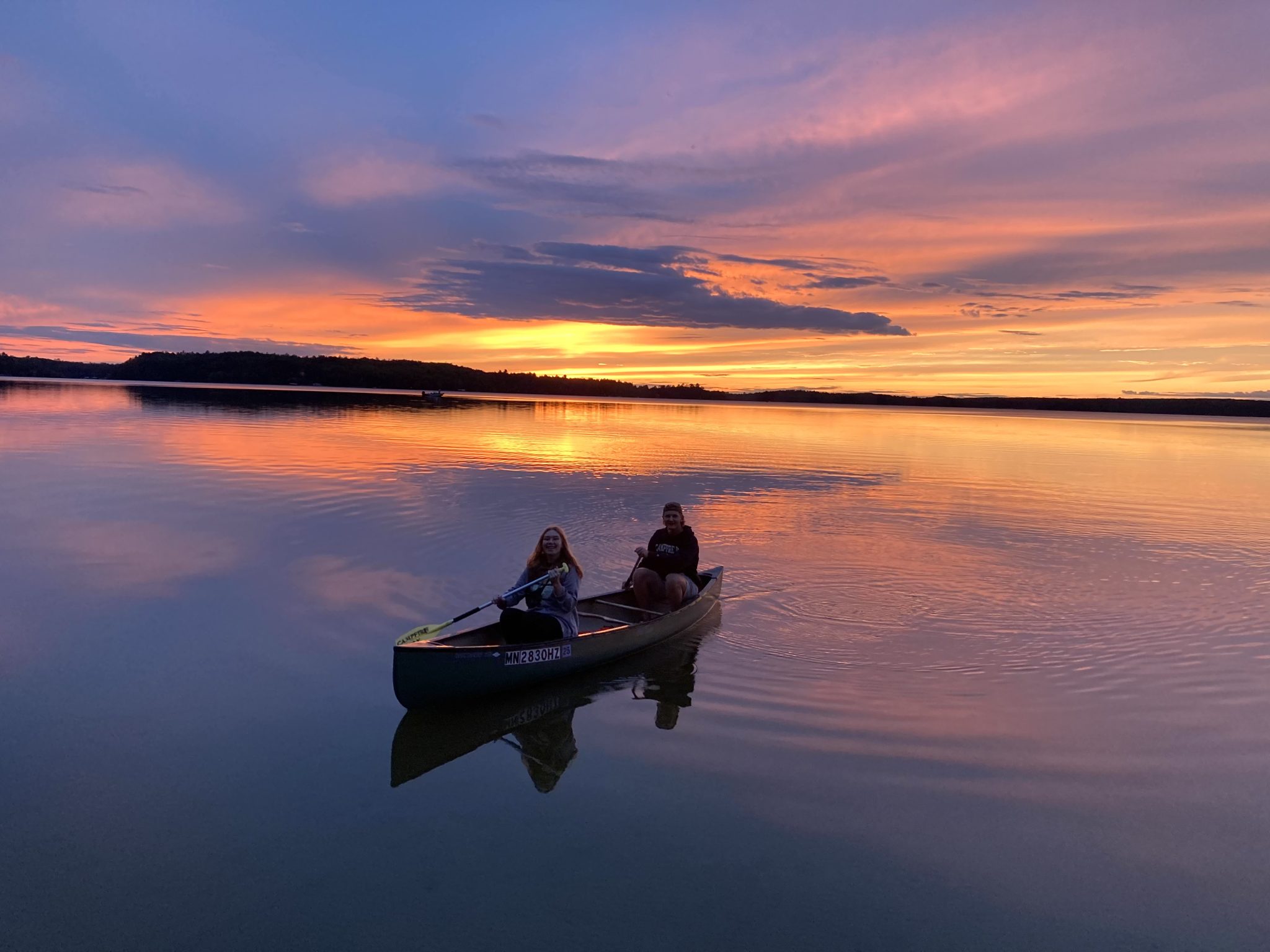
My husband Cael and I canoeing on a lake in Northern MN
Earth Day has always felt personal to me. Living in Minnesota, it’s hard not to feel connected to the land around you. Some of my favorite memories revolve around being outside: walking trails, listening to frogs begin their spring chorus, or simply watching how the landscape constantly shifts. Earth Day gives us a reason to slow down and notice all that is around us. It reminds us that the things we love about nature aren’t guaranteed; they depend on care, understanding, and respect.
What many people don’t realize is that Earth Day has deep roots in Midwest history. The modern environmental movement, as we know it today, was shaped in part by leadership that began here in the Upper Midwest, influenced by lakes, forests, farmland, and a strong connection to land and water. Earth Day is not just a symbolic date on the calendar. It represents a turning point in public awareness and a moment when science, policy, and public action began to move in the same direction.
The Environmental Awakening of the 1960’s
By the mid 20th century, the effects of industrial growth were becoming impossible to ignore across the United States. Rivers once used for drinking water and fishing had become polluted. Air quality declined in major cities, turning skylines hazy with smog. Wildlife populations were shrinking, often in ways scientists were only beginning to understand. One of the most influential moments occurred in 1962 with the publication of Silent Spring by Rachel Carson (for free access to the book, follow this link). Her work documented the harmful ecological effects of widespread pesticide use, particularly chemicals like DDT. Carson did something powerful. She connected environmental health directly to human health. She translated complex science into language the public could understand, and in doing so, she sparked conversations across kitchen tables, classrooms, and government offices.
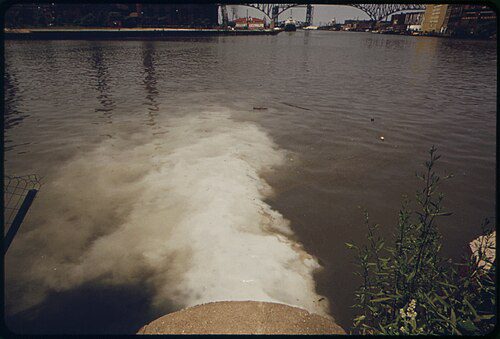
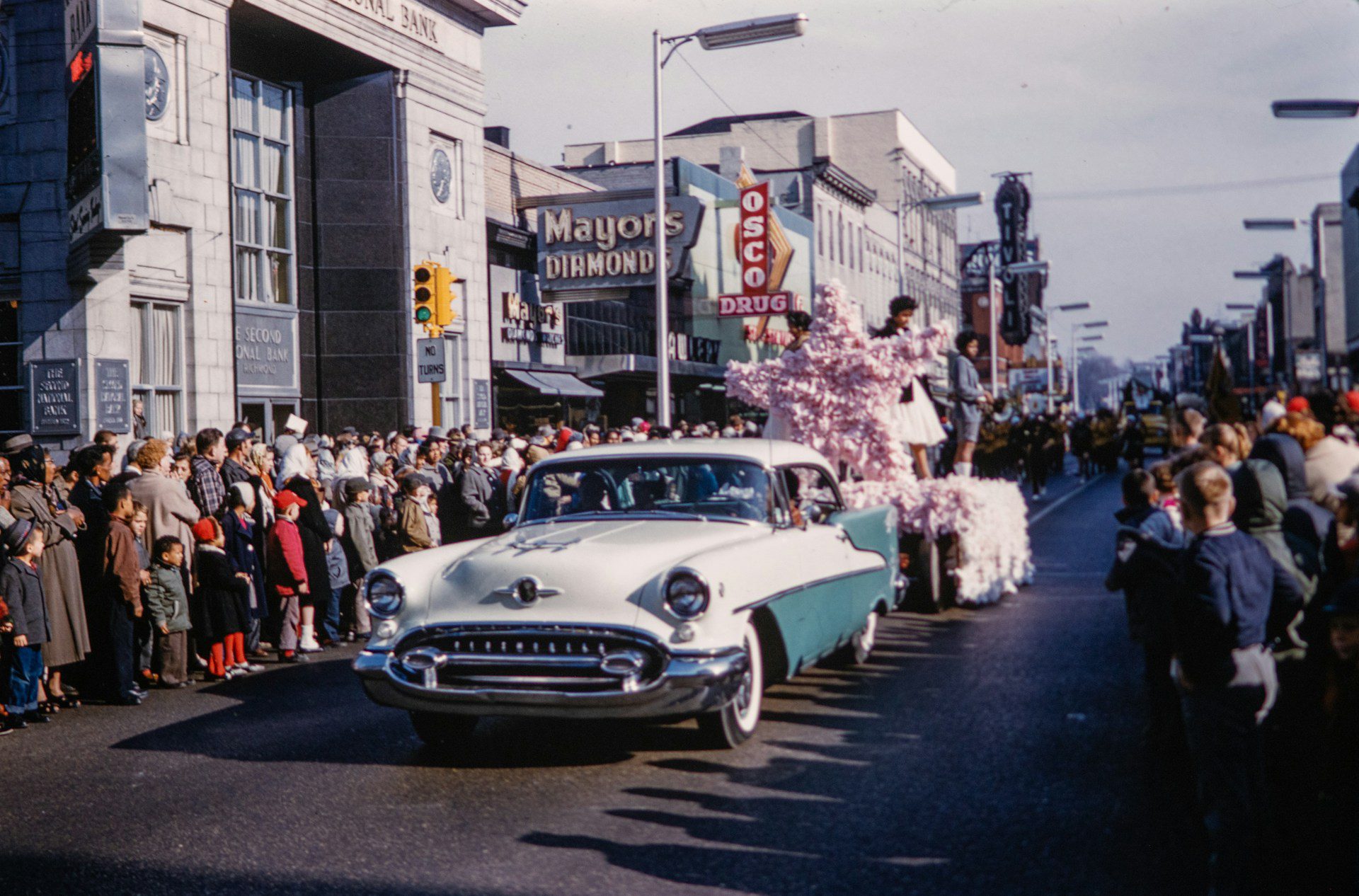
A city pump station discharges sewage into Cuyahoga River in 1973
Shortly after, a series of visible environmental disasters helped further shift public opinion. Events like the Cuyahoga River Fire demonstrated the consequences of unchecked pollution in a way that statistics alone never could. Contamination was so bad that rivers literally caught on fire! These images became difficult for the public to ignore. Public concern was growing, and something needed to change. What was needed next was organization and a way to bring people together around shared environmental goals.
A Wisconsin Senator and the Birth of Earth Day

U.S. Senator Gaylord Nelson in 1963
Earth Day’s origin is closely tied to the work of Gaylord Nelson, a U.S. Senator from neighboring Wisconsin. Nelson had long been concerned about environmental degradation. After witnessing the widespread damage caused by the 1969 Santa Barbara Oil Spill, he began searching for a way to raise national awareness. Inspired by student-led anti-war teach-ins of the 1960s, Nelson proposed a nationwide environmental teach-in, an event designed to educate communities about environmental science and conservation.
On April 22, 1970, the first Earth Day took place.
An estimated 20 million Americans participated. Schools, universities, and communities hosted demonstrations, lectures, and clean-up events. Teachers discussed ecosystems, scientists shared research, and everyday citizens stepped outside to participate in something larger than themselves. That first Earth Day marked the beginning of a global movement, one that continues more than fifty years later.
Earth Day and the Rise of Environmental Policy
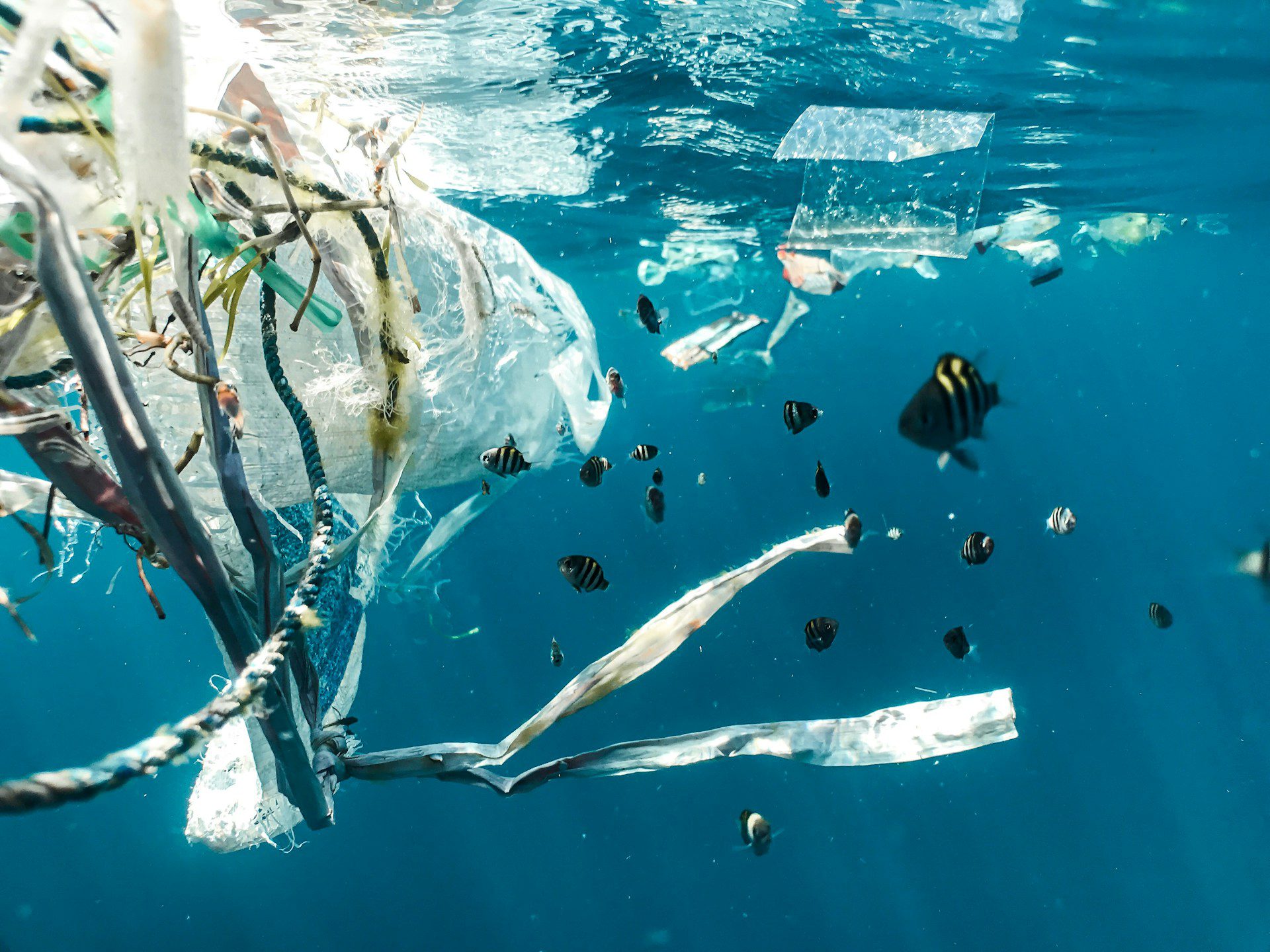
Earth Day did more than raise awareness. It helped generate measurable political action. Within a few years of the first Earth Day, several major environmental protections were established in the United States. These included the formation of the United States Environmental Protection Agency and the passage of landmark laws such as the:
- Clean Air Act (Summary found here)
- Clean Water Act (Summary found here)
- Endangered Species Act (Summary found here)
These laws weren’t created overnight. They were built on years of scientific research, public pressure, and growing awareness that environmental health and human health are deeply connected.

President George H. W. Bush signs the Clean Air Act Amendments taken in 1990
Environmental Policy Impacts

Deepwater Horizon offshore drilling unit on fire in 2010
Without these policies, the United States would look much different. In 2010, a BP-operated oil rig located in the Gulf of Mexico called the Deepwater Horizon exploded, leaking crude oil into the ocean for almost 87 days. Over 210 million gallons of oil were spilled, marking it as one of the worst environmental disasters ever seen. The Clean Water Act was pivotal in ensuring justice and restoration for the Gulf. Violations of this act led to settlements as high as $20 billion. Scientists and volunteers worked tirelessly to clean up the water before long-term outcomes became too detrimental to marine and coastal life. If you haven’t noticed already, oil spills are a big and unfortunately common problem.
It’s estimated that the Clean Air Act has prevented hundreds of thousands of premature deaths and asthma attacks. Scientists have found that from 1990 to 2019, sulfur dioxide emissions from power plants fell by 94%, and nitrogen oxides decreased by 85%. Vehicles are now 99% cleaner than previous models. All statistics can be found on the EPA website.
The Endangered Species Act has been shown to have a success rate of almost 99%. The ESA protects over 1,600 U.S species from being killed or harmed. It has saved hundreds of our most beloved species from extinction, such as the Bald Eagle.
Minnesota’s Environmental Identity
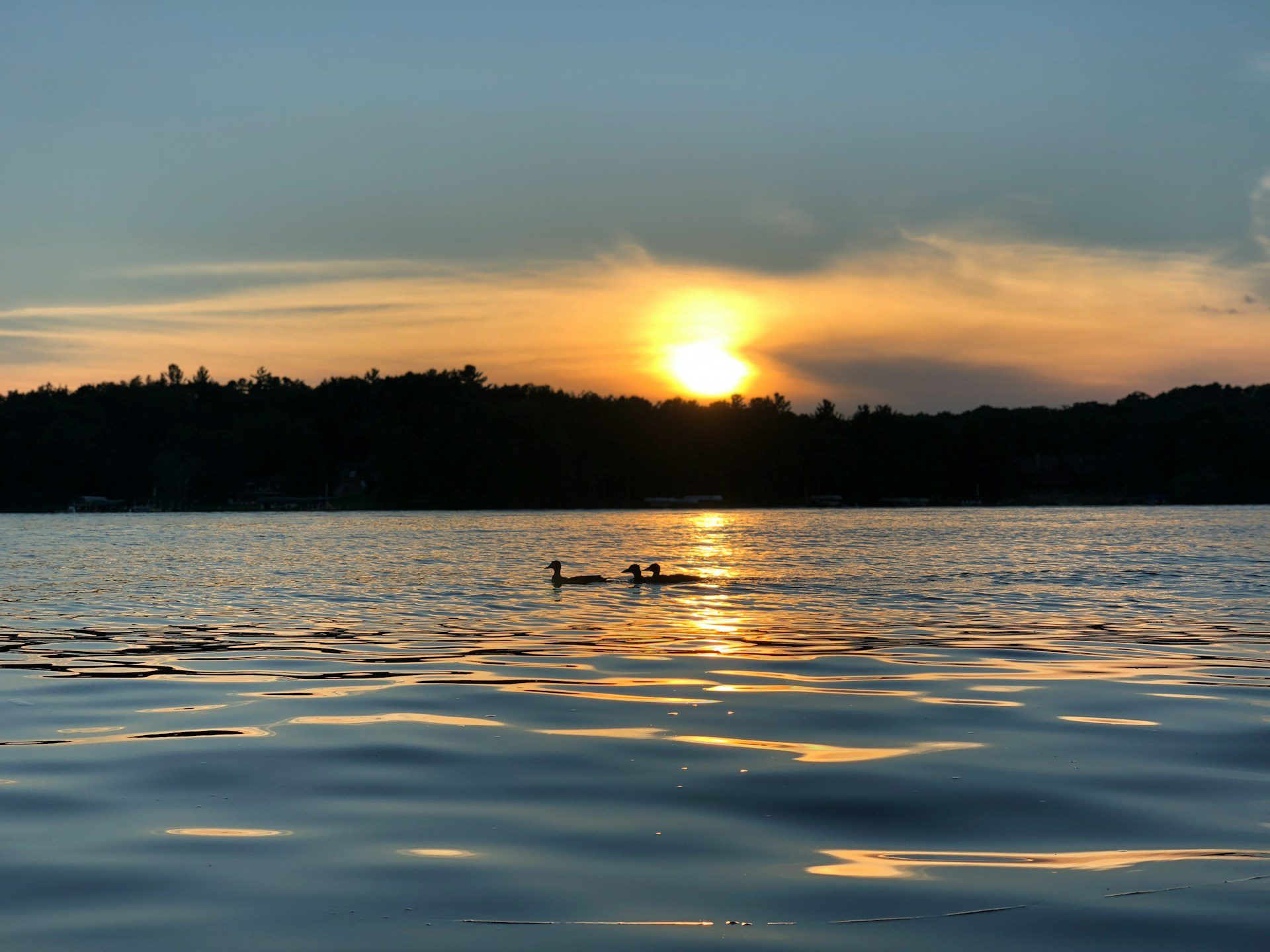
Minnesota’s geography helps explain why environmental awareness developed strongly here. With more than 10,000 lakes, vast forest systems, and complex wetland networks, the state depends heavily on healthy ecosystems. Water plays a particularly important role. The Mississippi River begins in northern Minnesota at Lake Itasca. From that point, it flows south across the continent, supporting agriculture, transportation, and wildlife along its path. Protecting water quality in Minnesota affects ecosystems far beyond state borders.
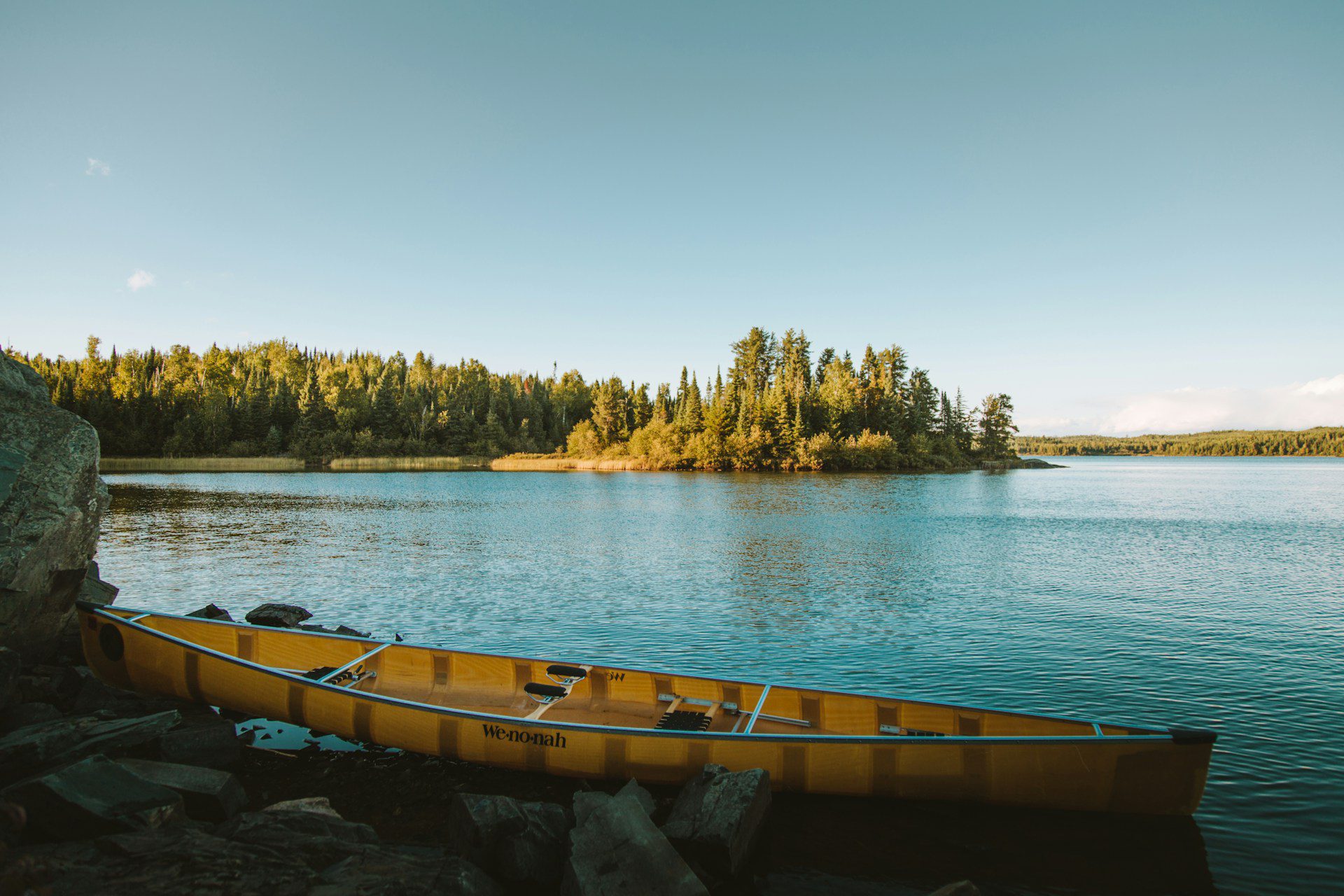
Minnesota is also home to the Boundary Waters Canoe Area Wilderness, one of the most carefully preserved freshwater systems in North America. This region supports diverse plant and animal communities, including loons, moose, and countless aquatic species. Spend even an hour paddling through these waters or listening to the echo of a loon call across a still lake, and it becomes clear why conservation matters so deeply here.
*A sad but important note on the BWCA. As of April 16th, 2026, the U.S Senate voted 50-49 to overturn a 20-year federal mining moratorium in the area around the BWCA. This reversal removes important protections put in place to prevent permanent contamination of water and soil via the watershed. Visit Save the Boundary Waters for more information on this legislation and ways to take action.
What To Take With You
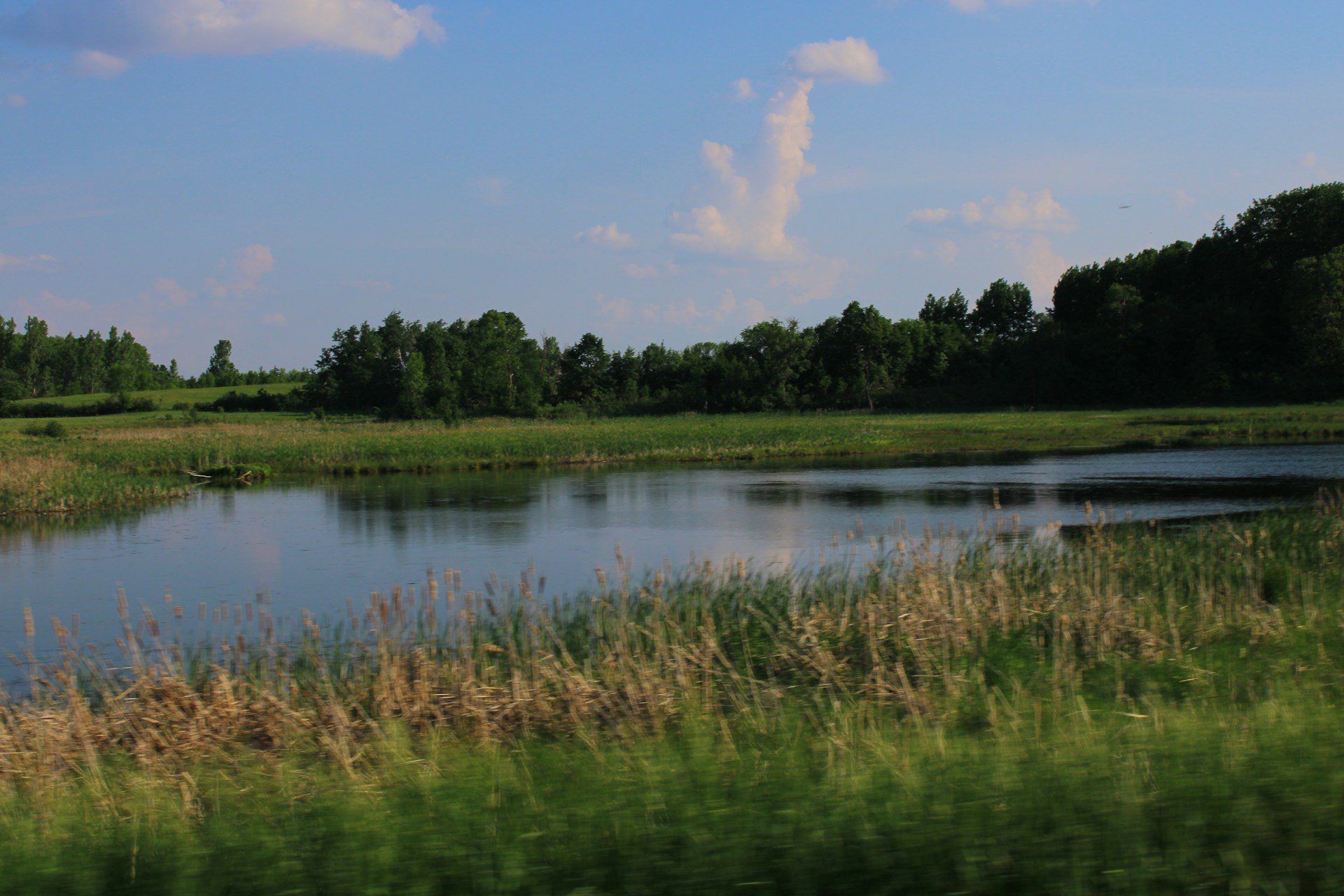
Earth Day began as a response to visible environmental damage, but it grew into something larger. The lakes, rivers, and forests of Minnesota offer daily reminders of why that commitment matters. Healthy ecosystems provide clean water, stable soil, and habitat for wildlife. They also provide spaces for recreation, reflection, and connection. Recognizing Earth Day does not require large gestures. It often begins with small observations, such as noticing how birds return each spring, or how plants reappear after winter. One of my favorite personal traditions is to look back on all the nature photos I’ve taken throughout the year and put together a “birthday” post to recognize the impact the planet has had on me. Those small observations form the foundation of environmental awareness. This awareness, supported by science and action, remains one of the most powerful tools for protecting the landscapes that sustain life.
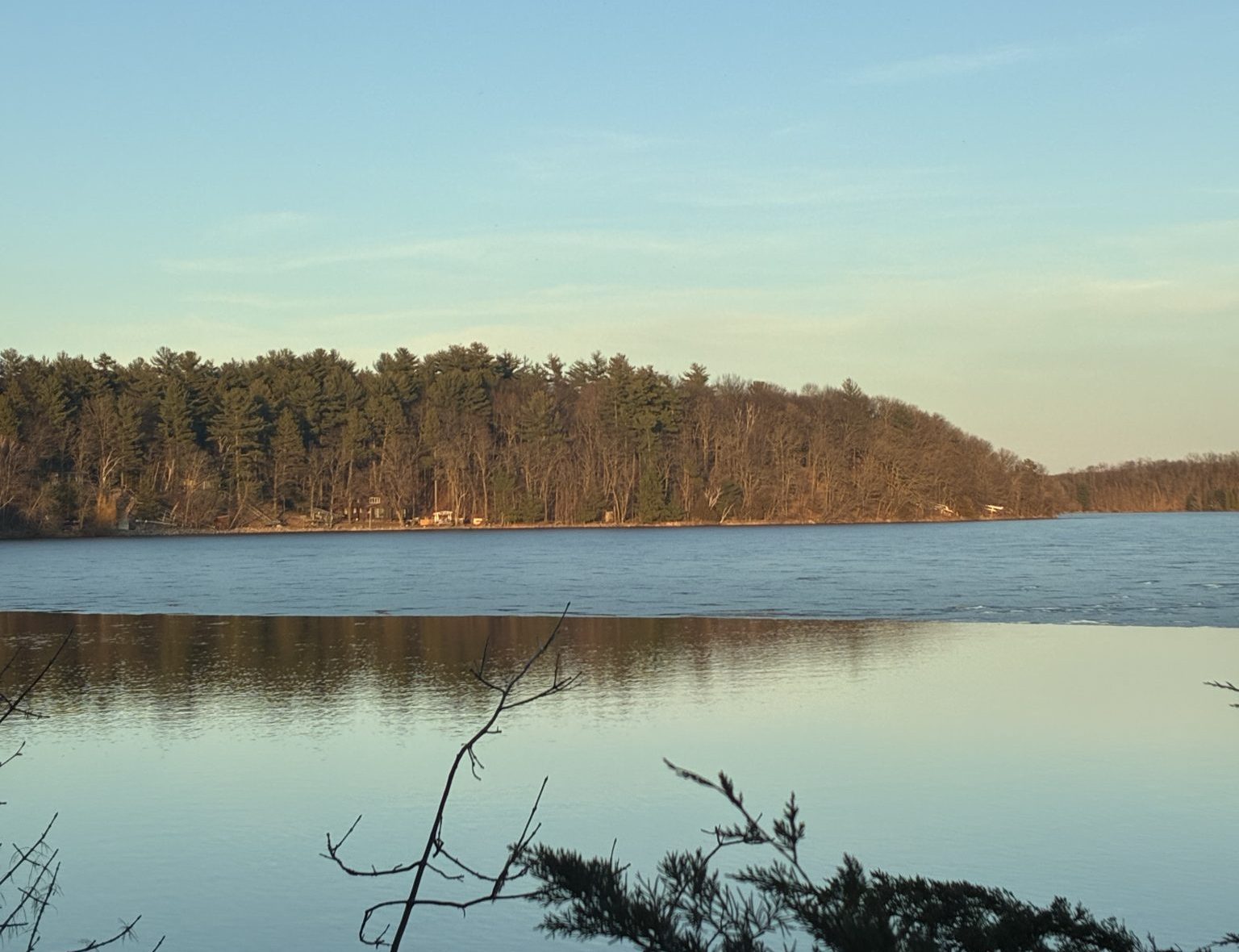
Fish Trap Lake, Cushing, MN
If you’d like a place to celebrate Earth Day, come check out Campfire Bay Resort! With a beautiful lake, a tree-filled forest, and a nature trail, we’ve got it all! I encourage you to go outside, take a look around, and give thanks to our beautifully intricate home. Give your support to One Day, One Earth, One Minnesota, a collaborative Earth Day fundraiser that supports hands-on environmental work in communities throughout MN. For more nature-related informative blogs, check out the rest of my work right here on the At the Campfire blog. New posts come out 1-2 times a month!