
Life Beneath the Snow: The Subnivean Zone Explained
Image taken by Kasia
Every day, we enter our homes to escape the cold. The warm air embraces us, and we get a break from the harsh temperatures our state is known for. But beneath the snow, a hidden world thrives–a refuge for small animals called the subnivean zone. Cold-resistant species have cracked the code to winter survival, and the deeper they go, the better they survive. Utilizing an impressive array of adaptations and survival strategies, some creatures can endure the cold season. What we call the subnivean zone—some call home.
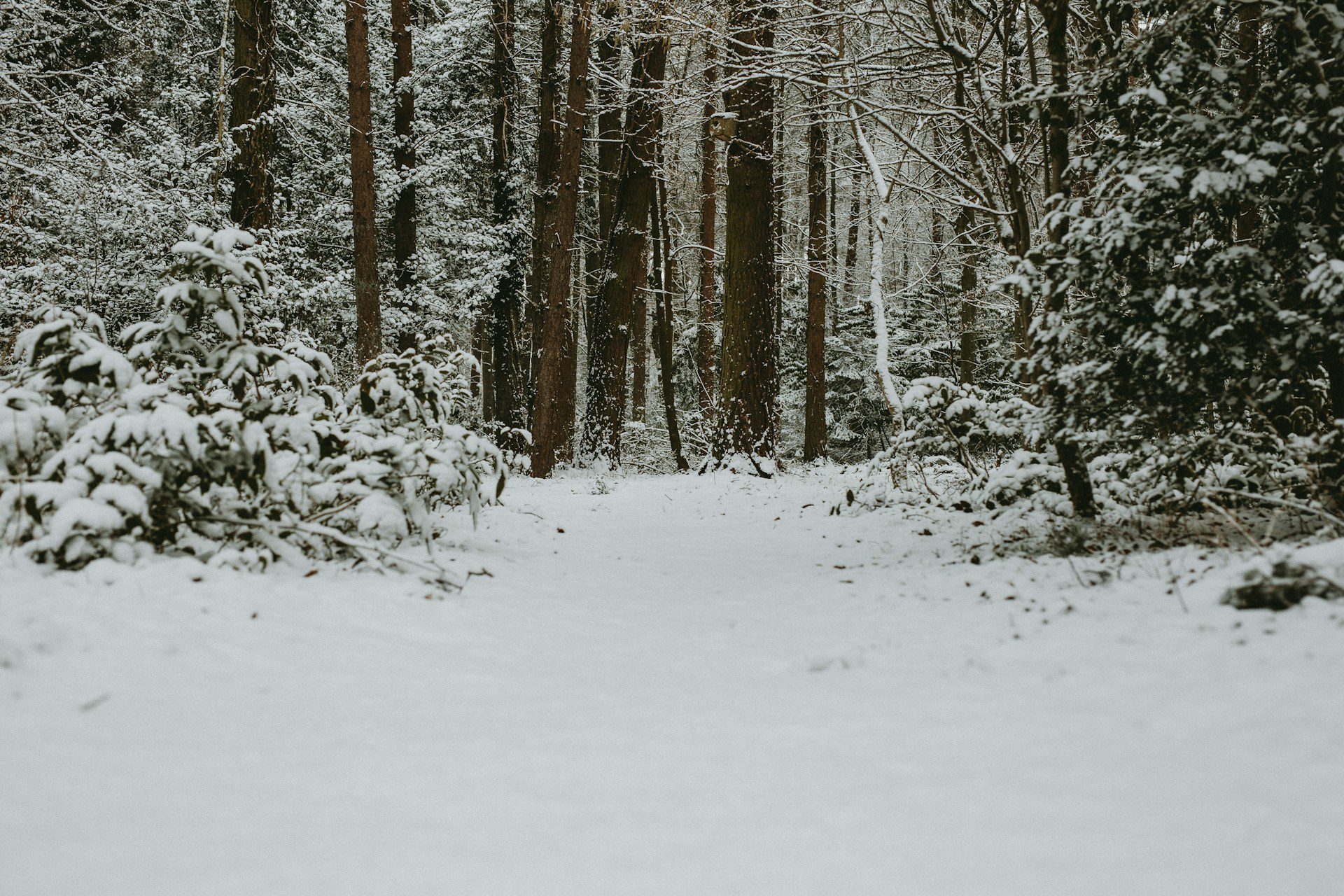
What is the Subnivean Zone?

Illustration of the Subnivean Zone created by Brookelyn Sams
The Subnivean Zone is the area between the ground surface and the bottom of the snowpack (the bottom layer of compressed snow). The word subnivean comes from the Latin “sub” (under) and “nives” (snow). Many small mammals, such as mice, voles, and shrews, burrow here for protection from the cold, strong winds, and hungry predators. Food is readily available because it sits on top of unfrozen grass, leaves, bark, seeds, and insects. Incredibly long tunnel systems, complete with air shafts to the surface, are formed beneath the snow.
Heat is released from the Earth’s surface and trapped by the snow. This makes the zones well-insulated, with stable temperatures around 32°F. That temperature might still seem a little cold to us, but to small mammals it’s perfect. They possess a combination of physical and behavioral adaptations, including thick fur and energy conservation mechanisms such as hibernation or torpor, to survive the cold.
How Does it Form?
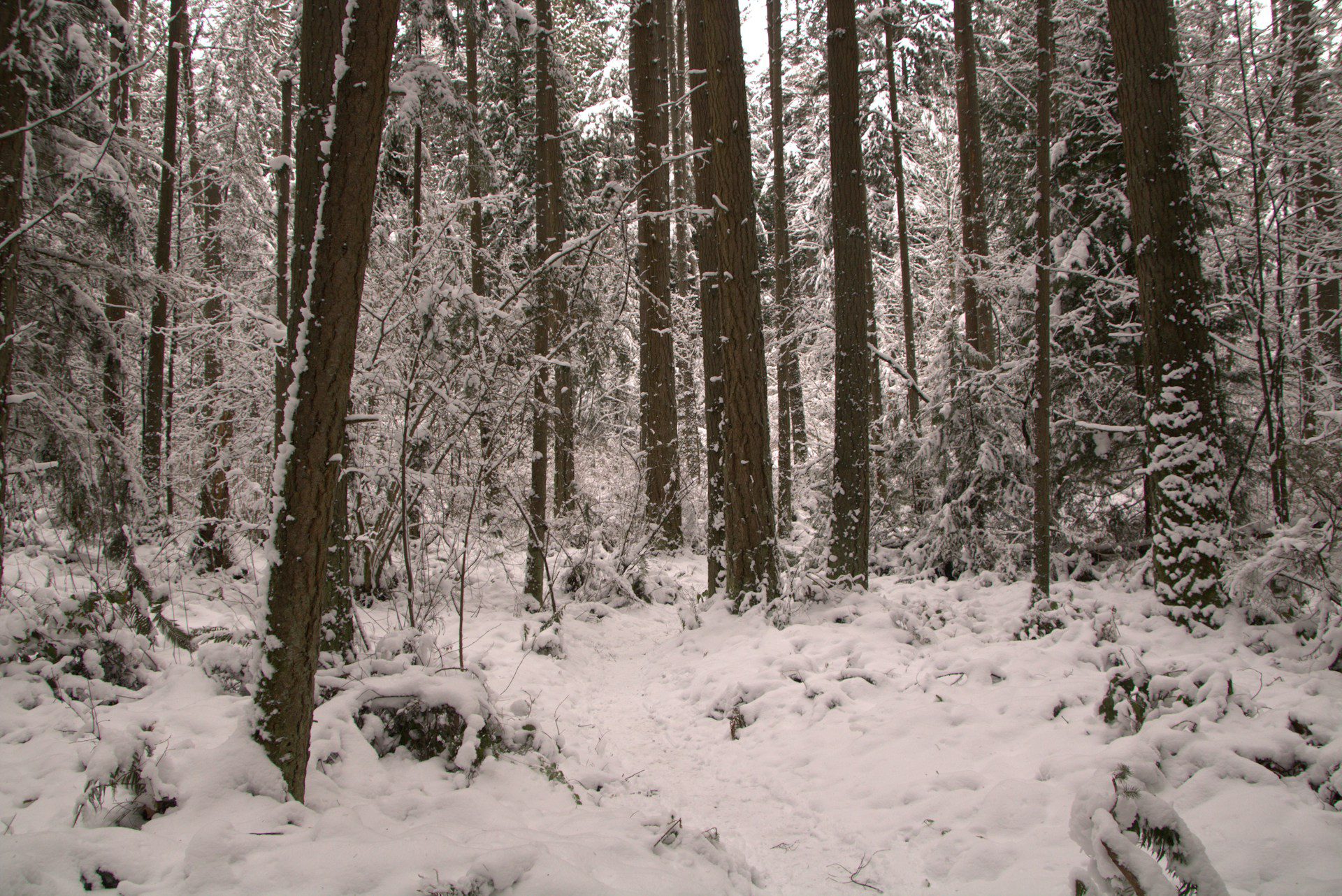
Image taken by Adam Ulrich
The subnivean zone begins to form after the first lingering snowfall. First, snow lands on vegetation and rocks, which block snow from accumulating underneath. If the plants have frozen already, they can hold large amounts of snow. Eventually, the weight causes the plant tips to droop to the ground, creating protected areas. These areas are perfect for hideaways. As snow lands on the ground, it goes through a process called sublimation–going straight from solid to a gas, without entering through a melting phase. Everything continues to cool, condense, and refreeze until tightly packed ice crystals are formed. It takes roughly 6 inches of snow for small mammals to have a roof over their head. With 8 inches, the zone’s internal temperature will remain steady.
Who Lives in the Subnivean Zone?

Image taken by Nikita Nikitenko
In Minnesota, typical subnivean animals include small mammals, insects, invertebrates, amphibians, and reptiles. Here are some specific examples of Minnesota species that utilize the subnivean zone:
- Voles: Multiple Minnesota species, such as the meadow vole and southern-backed vole
- Deer Mice and Western Harvest Mice: These species like to hibernate, but some mouse species tend to stay active
- Shrews: Several species, like the masked and arctic shrews. Small but fierce, shrews hunt actively throughout winter.
- Red Squirrels: They used the subnivean zone to find and access food caches they prepared earlier in the year.
- Wood Frogs: They find shelter under leaf litter. Although the zone offers insulated temperatures, the frog has adapted to allow its body to freeze solid and thaw out in the spring.
- Ruffed Grouse: Occasionally, when temperatures are extreme, grouse will dive into the zone for warmth.
Predators
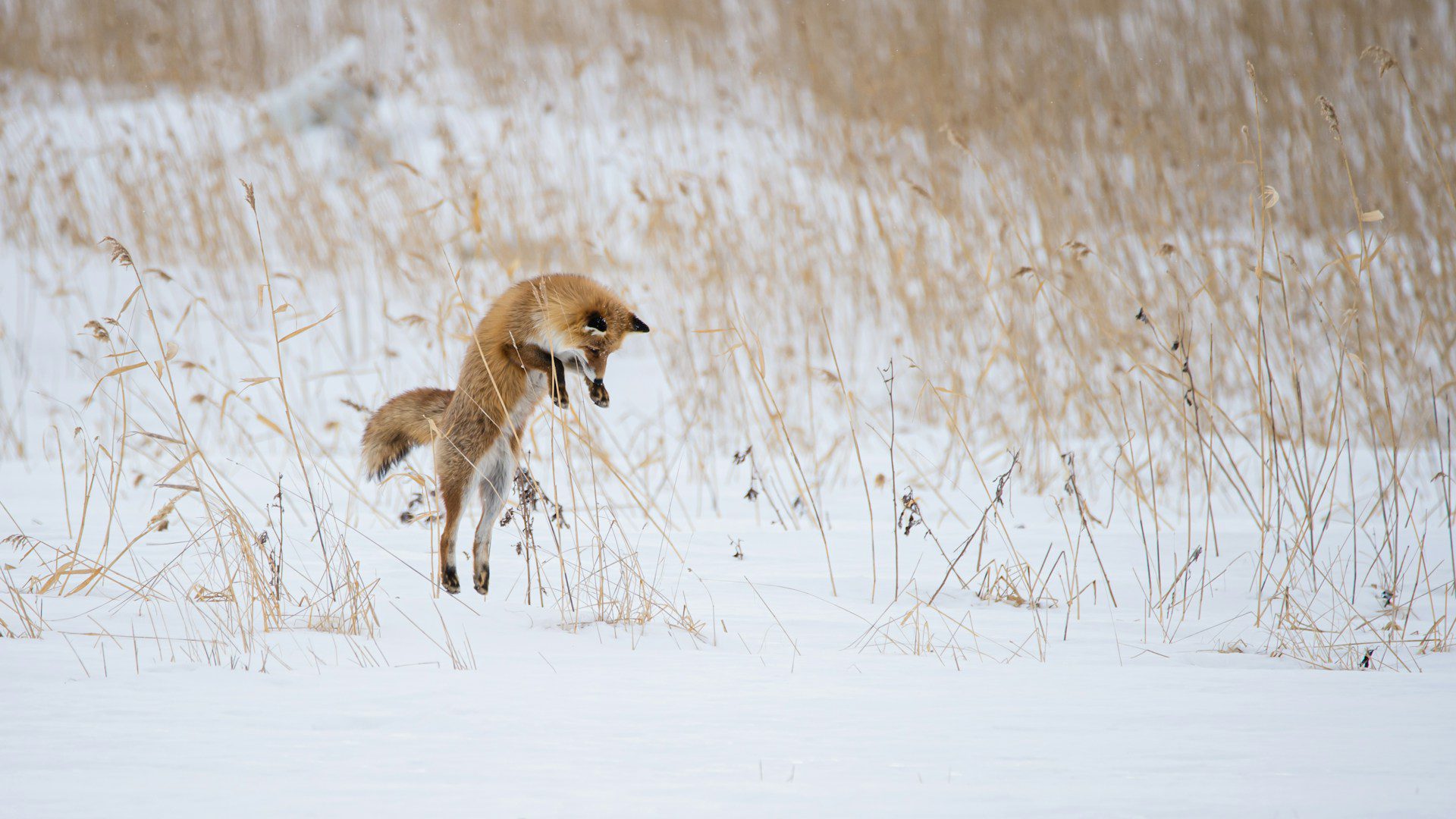
Image of a fox pouncing in the snow by Birger Strahl
Predators have a lot of fun hunting these small mammals. Owls can hear mice running underground from almost thirty yards away. They’re able to ball up their feet and crash into the snow to catch running critters. Other predators, like foxes and coyotes, detect by scent. These predators will dive right into the snow for a meal. These larger animals rely on subnivean activity to find food. This underground network is crucial to the winter ecosystem, keeping the population balanced and energy cycling through the forest.
Observing the Subnivean Zone
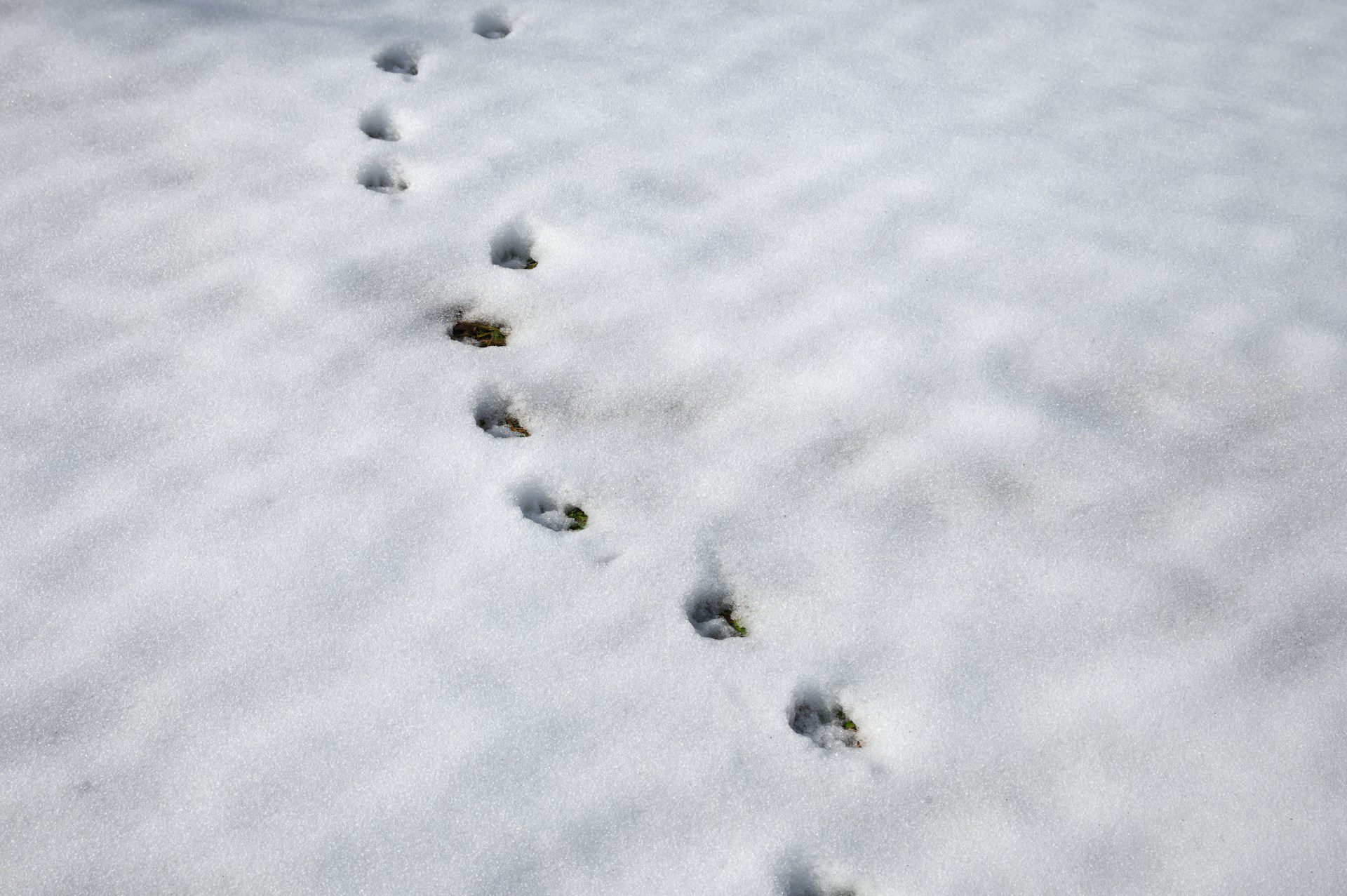
Image taken by Kai Muro
Although the subnivean zone is hidden, there are ways to catch glimpses of this secret winter world. Look closely at fresh snow for tiny tunnels and runways, often just a few inches wide, where voles and mice move safely beneath the surface. Early morning is a perfect time to spot tracks leading to burrow entrances or signs of foraging. Predators like foxes, weasels, and owls are also part of this ecosystem, and noticing their tracks or signs of hunting can reveal the delicate balance of life under the snow.
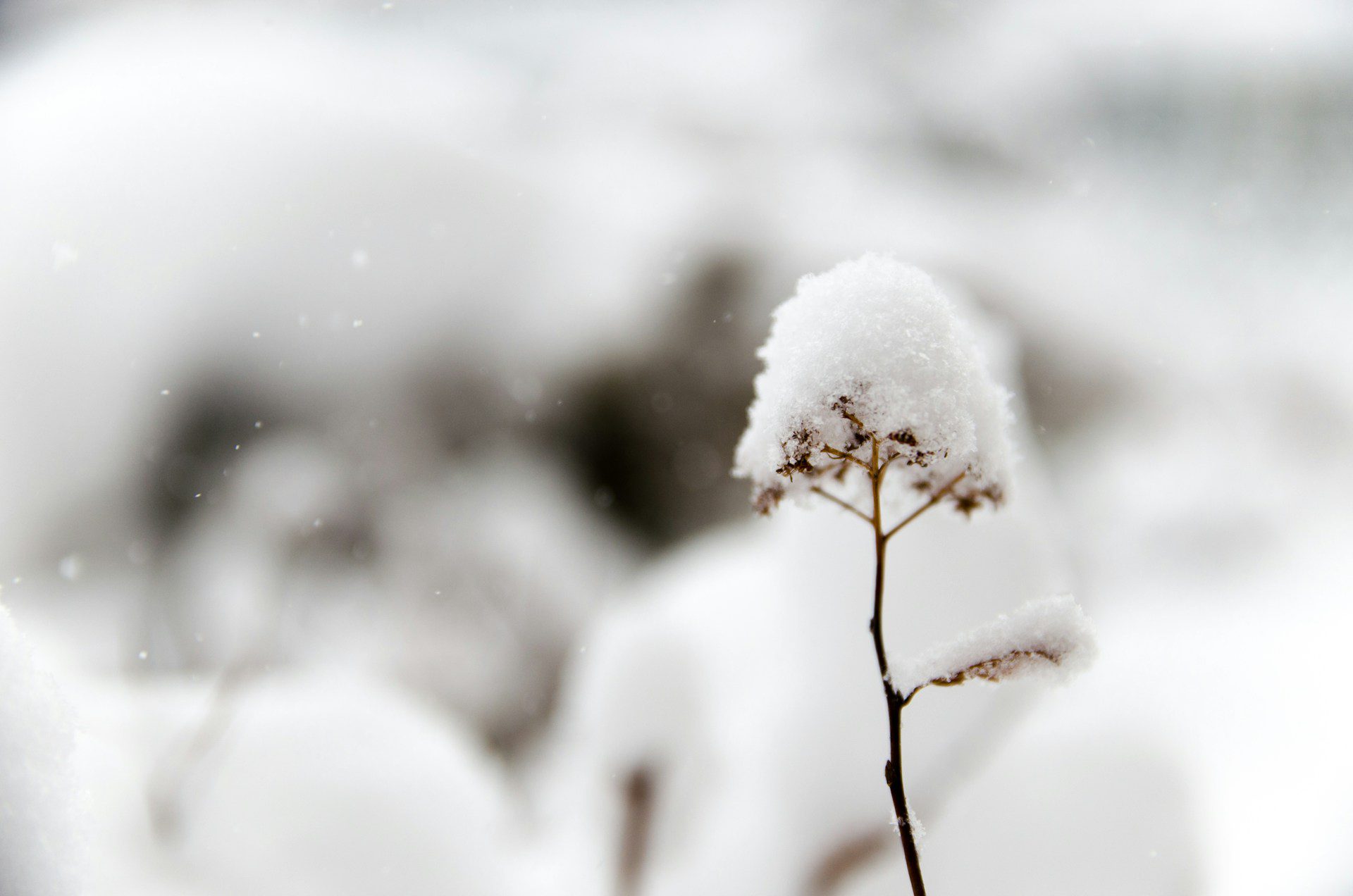
Image by Hide Obara
As winter deepens across Minnesota, it’s easy to think that life slows down beneath the snow. Yet beneath that quiet, frozen surface, a hidden world thrives. Tiny tunnels crisscross the landscape, small mammals forage and hide, and predators hunt. The subnivean zone is a reminder that nature is always active, even when it seems still.
Next time you step onto a snowy trail, pause for a moment and imagine the bustling life beneath your feet. By carefully observing and treading lightly, we can appreciate this secret world and its vital role in sustaining Minnesota’s forests and lakes through the long winter months.
We here at Campfire Bay Resort love nature! If you’re interested in more blog posts like this, check out my other nature-themed posts here on At The Campfire. If you can’t view subnivean activity near you, visit us. There’s so much to do in the winter! Check out our post about the Top 10 Things To Do in the Brainerd Lakes Area in the Winter.