
The Chemistry of Candlelight
Image of candles glowing by Sixteen Miles Out
As the days grow shorter and the nights stretch long, there’s something irresistibly comforting about candlelight. Although candles were created nearly 5000 years ago, they have continued to serve a purpose for us. Whether flickering on a dinner table, lining a cozy living room, or glowing softly in a bedroom, candles seem to pull us in. But beyond their aesthetic charm, there’s real science behind why we crave their warm glow—especially during the darker months.

The Science Behind the Glow
Candlelight is more than just illumination. It emits a warm spectrum of light, leaning heavily toward red and yellow wavelengths. Unlike the harsh blue light of screens or fluorescent bulbs, this soft glow has a calming effect on our nervous system. Studies have found that warm, low-intensity light encourages relaxation, lowers stress, and signals the brain that it’s time to unwind.
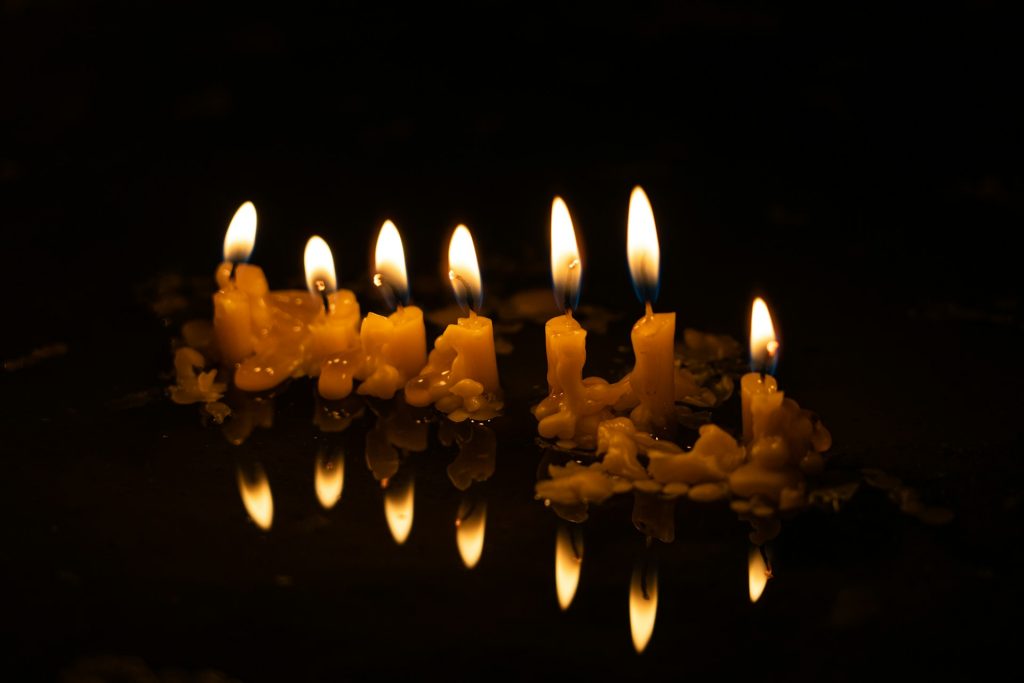
Image of candles glowing by Uladzislau Petrushkevich
The chemistry of a burning candle plays a big role in this effect. When a candle burns, wax molecules react with oxygen, producing carbon dioxide, water vapor, and heat. This chemical reaction emits photons—the light we see—creating the gentle, flickering glow that our brains associate with safety and comfort. The subtle movement of the flame also adds a dynamic visual rhythm, further enhancing feelings of calm and focus.
Candlelight and Human Adaptation
Adaptation roots our attraction to candlelight—it isn’t just a modern quirk. Before electricity, humans spent most evenings in dim firelight. Warm, flickering light meant safety from predators and a signal that the day was coming to an end. Over thousands of years, our brains learned to associate these cues with rest, social connection, and emotional warmth. Even today, that ancient wiring responds, making candlelight especially appealing when daylight is scarce.
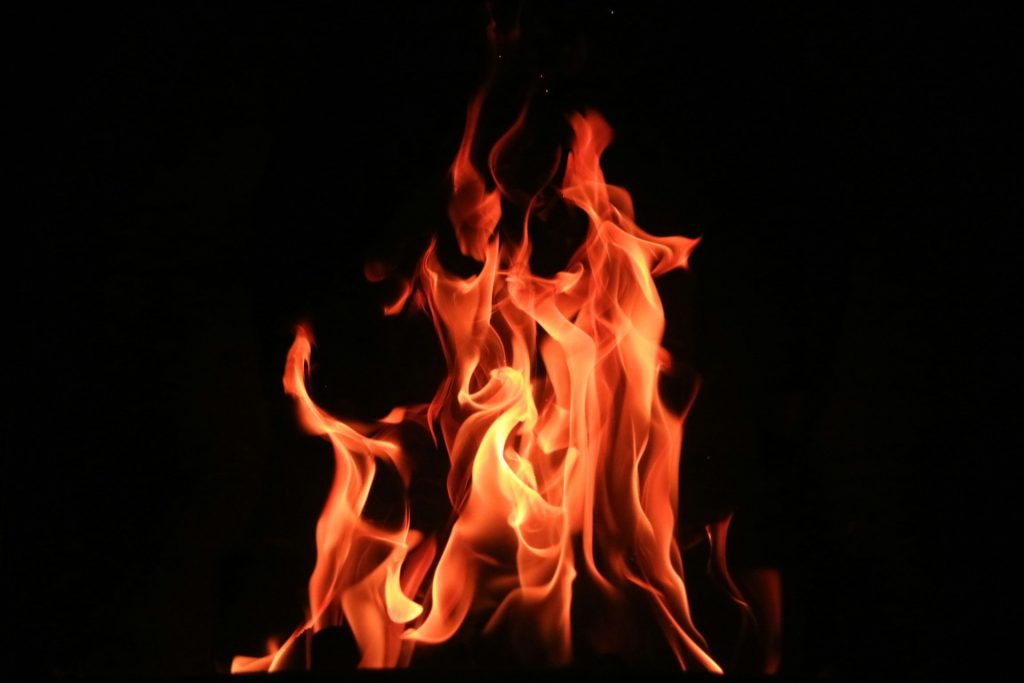
Image of a fire by Cullan Smith
We spend most of our days exposed to excessive blue light from our screens, which causes a sensory overload in our brains. Occasionally, our eyes and brains need a break from artificial light. Brainwave frequencies play a significant role in the relaxation we experience from candlelight. As we gaze at a flame, our brains begin to shift out of our constant beta brainwave state, which is associated with thinking and reactivity. An alpha brainwave state is activated, which is associated with relaxation. These brainwaves can then become theta brainwaves, which are associated with meditation.
Beyond the Glow: Aroma

Image taken by Chelsea Shapouri
Aromatherapy in candles goes even further. Certain essential oils, such as lavender, eucalyptus, and bergamot, are known to promote relaxation, reduce stress, and improve focus. The combination of scent and soft light engages multiple senses at once, creating a holistic experience that soothes both body and mind.
Studies have shown that smell (olfaction) is linked to memory, and in turn, memory is connected to emotion. When you smell–you feel. Phylogenetically, our sense of smell has helped us survive for thousands of years by alerting us to potential dangers. Throughout the day, we smell bitter or unpleasant odors, which signal the amygdala to release stress hormones such as epinephrine (adrenaline, the fight-or-flight hormone) or cortisol (the main steroidal stress hormone). We can override these repsonses by interacting with pleasant scents. This makes intentional aromatherapy uniquely powerful for relaxation. Candle aromatherapy works by subtly reminding us of comforting times, evoking positive feelings, and helping us relax as the winter months stretch on.
Making the Most of Candlelight

Image taken by Heriberto Murrieta
Create routines: Light a candle during evening rituals, such as reading, journaling, or a bath.
Layer sensory experiences: Combine warm light with cozy blankets, soothing music, or seasonal scents to create a comforting atmosphere.
Turn off the lights: Take a moment to step away from artificial lights and light a candle instead. Remember that for hundreds of years, fire was our primary source of light and focus.
Safety first: Always keep candles away from flammable materials and never leave them unattended.
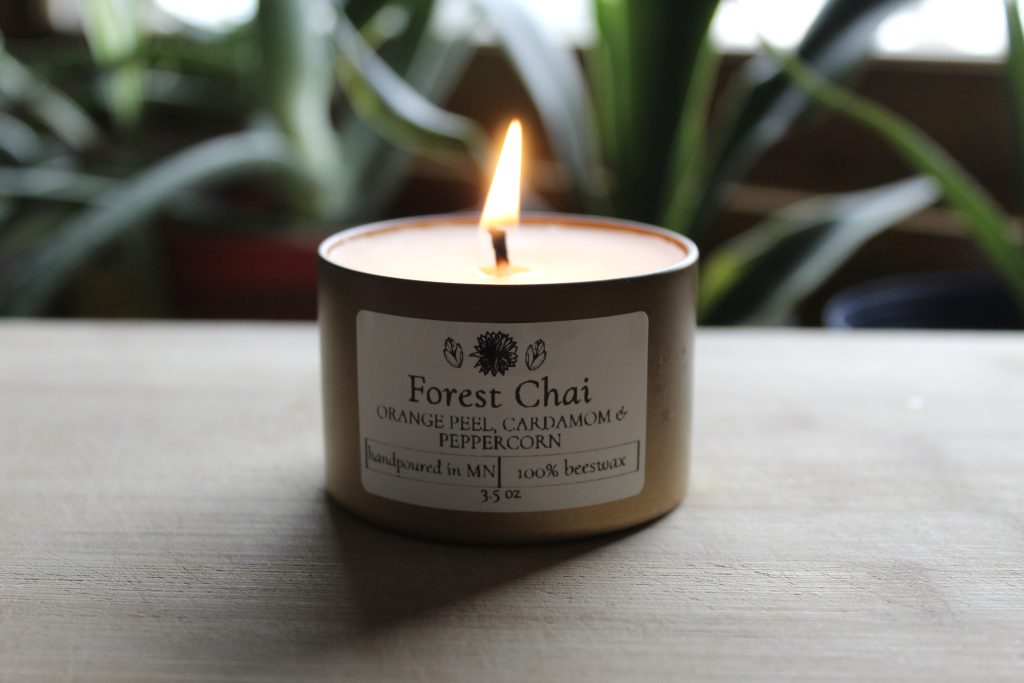
Image taken by Brookelyn Sams. These beeswax candles are for sale at Campfire Bay Resort.
Candlelight is more than decoration; it’s chemistry, psychology, and evolution all rolled into a tiny, flickering flame. In the dark months, when daylight is fleeting, these little bursts of warmth remind us of comfort, safety, and the simple joy of slowing down.
If you’d like to slow down this winter season, visit Campfire Bay Resort! To learn more about easing into this season of the year, read Olivia’s blog posts about Hibernation Hobbies: Surviving the Dark Seasons of MN, here on the At the Campfire blog.