
The Spring Equinox and Nature’s Balance
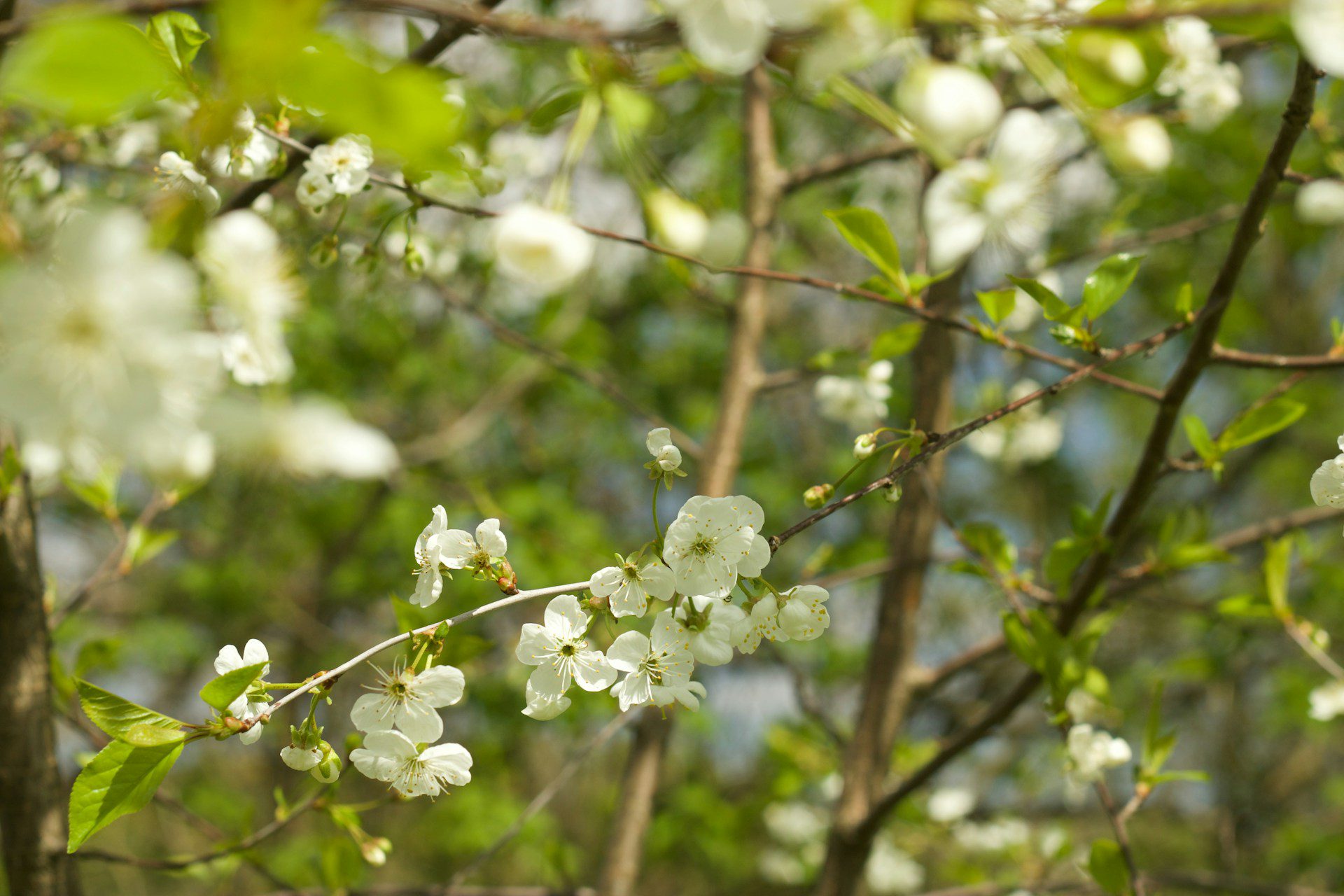
Image of a flowering tree by Volodymyr Fedorychak
As winter loosens its grip, the Spring Equinox brings a moment of harmony—when daylight and darkness are equal. For Minnesota, it’s the first true sign that spring is ready to unfold.
What is the Spring Equinox?
The spring equinox typically occurs around March 19–21, when the Earth’s tilt aligns so that the sun shines directly over the equator. This creates equal lengths of day and night worldwide. For Minnesotans, it’s the true beginning of the seasonal transition we’ve been patiently (and sometimes impatiently) waiting for.
After months of short days and long, cold nights, the equinox brings a surge of daylight that we immediately notice. Moods lift, wildlife becomes active, and even the trees seem to sense the change. Daylight increases more quickly now, which jumpstarts countless seasonal processes—from plant budding to migratory movement.
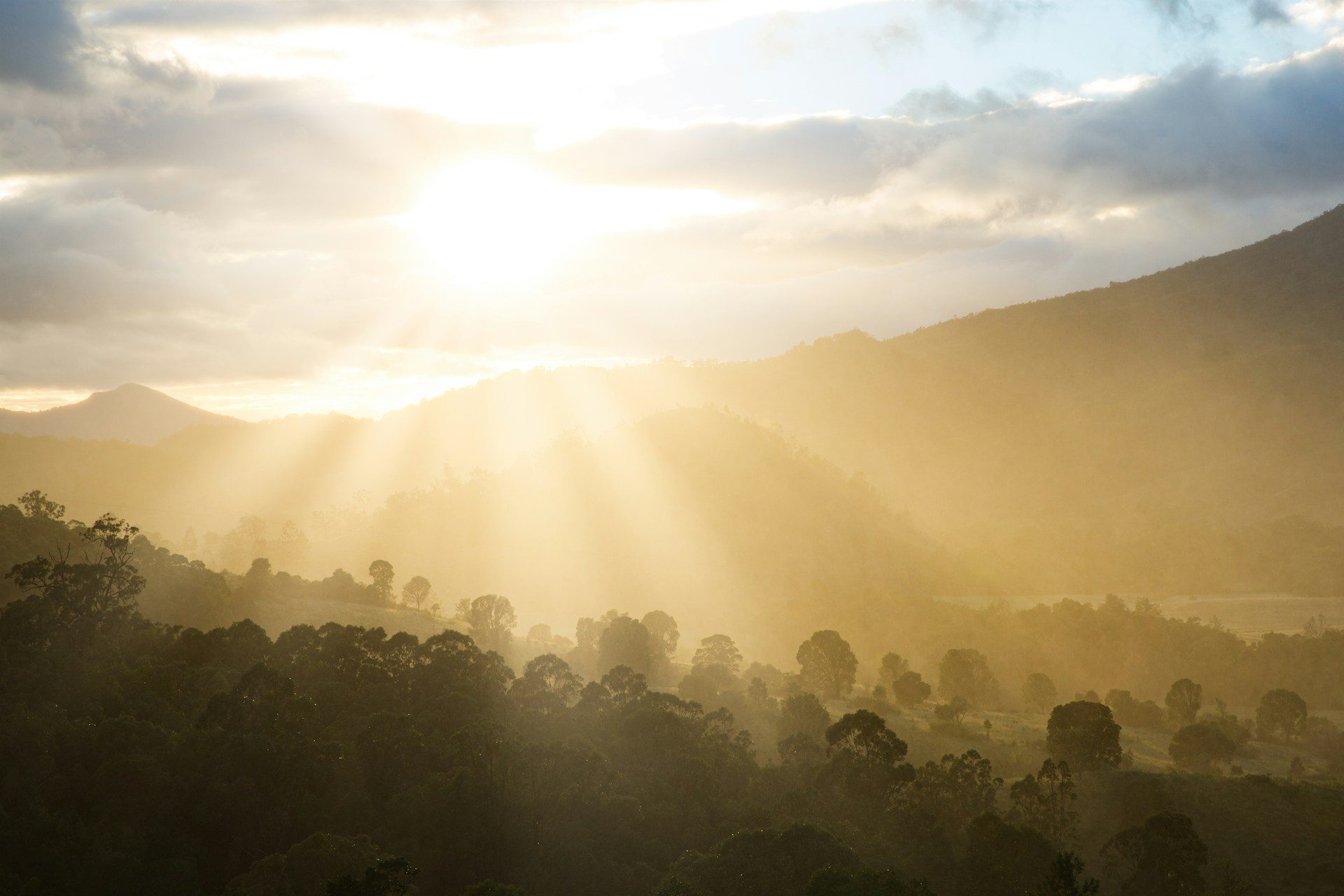
Image of sunrays over a forest by Matt Palmer
Wildlife Awakening
Even if the temperature hasn’t fully caught up, animals know spring is on the way. Some early signs you might spot around Minnesota include:
- Migrating birds returning: Red-winged blackbirds, robins, and geese begin arriving.
- Beavers and muskrats start getting busy: Longer days cue them to repair lodges and prepare for babies.
- Early singers: Chickadees and cardinals ramp up their songs as breeding season approaches.
- Hibernators stirring: Skunks and raccoons start emerging on warmer nights, while true hibernators such as groundhogs begin the slow wake-up process.
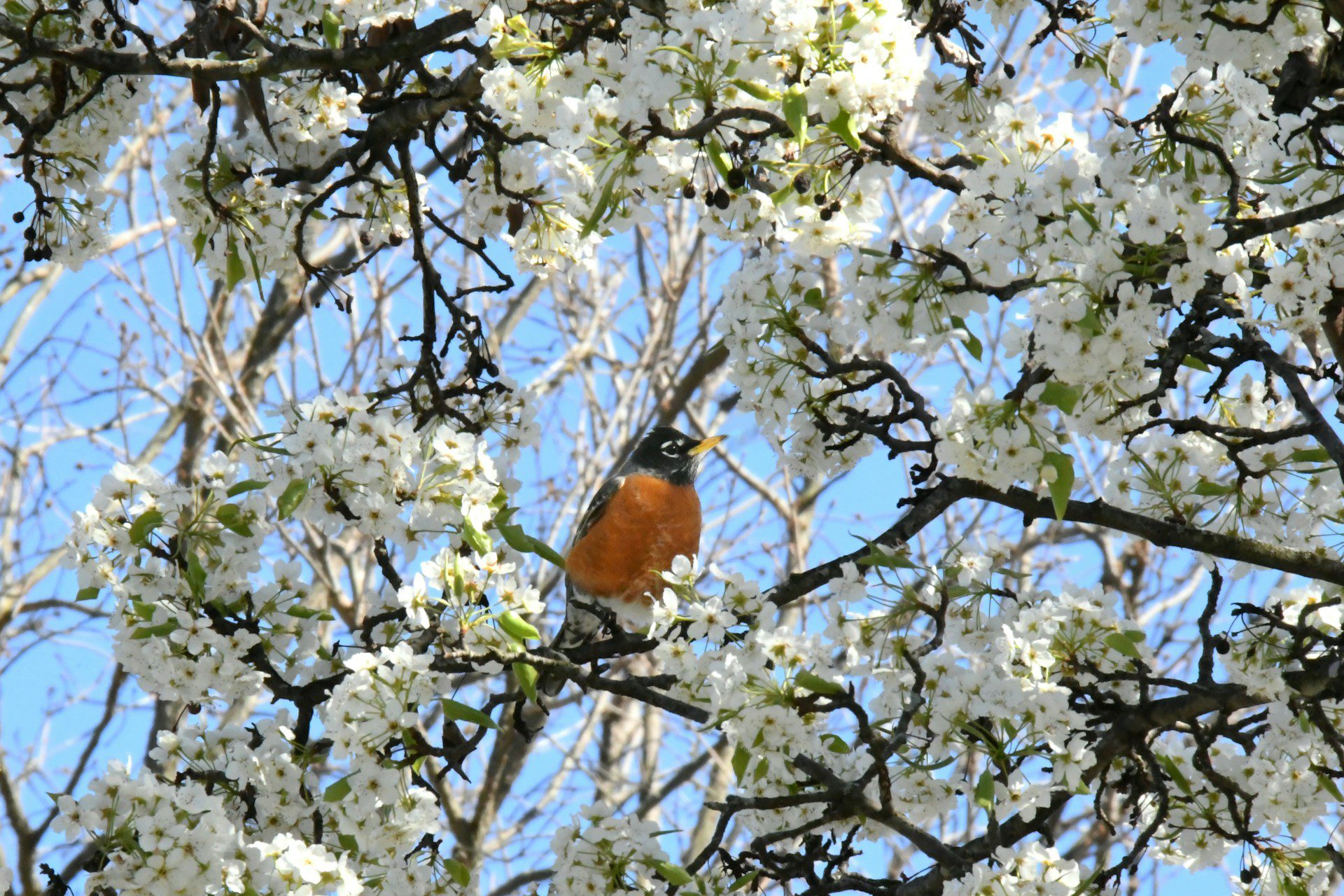
Image of an American Robin sitting on a tree
The First Green Signs
Though snow may still blanket parts of Minnesota, the landscape is beginning to transform. Look closely, and you’ll notice:
- Sap rising in maple trees, fueling the first syrup boils of the season.
- Buds swelling on aspens and willows.
- Cold-hardy plants pushing up, like butterbur, coltsfoot, or the earliest woodland wildflowers, once the snow recedes.
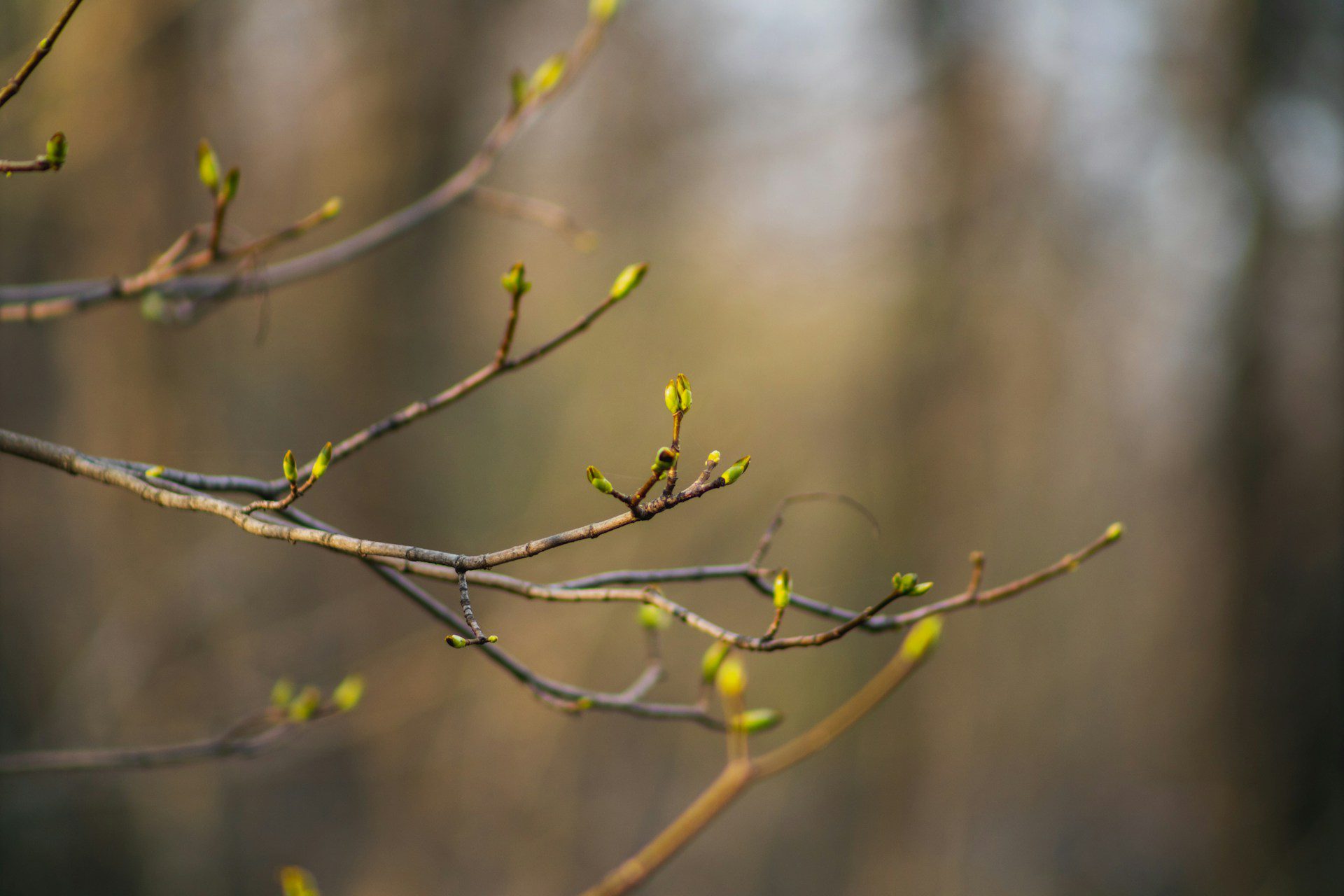
Image of a budding tree
The Balance of the Equinox
The equinox symbolizes astronomical balance, equal light and dark. It also highlights the delicate balance within Minnesota’s ecosystems. Spring is a season of timing. Migratory birds must return when insects emerge. Plants must leaf out early enough to catch the sun but late enough to avoid frost. Frogs must lay eggs in warming wetlands before aquatic predators wake up.
A few weeks’ difference can reshape entire seasons. Minnesota wildlife has adapted to these signals, using the equinox as nature’s “go” signal.
How Minnesotans Can Celebrate the Season
The equinox is a perfect excuse to step outside and reconnect with the natural world. A few simple ways to honor the shift:
- Take a sunrise or sunset walk
- Listen for the sounds of spring birdsong
- Visit a maple sugaring site
- Watch for migrating waterfowl
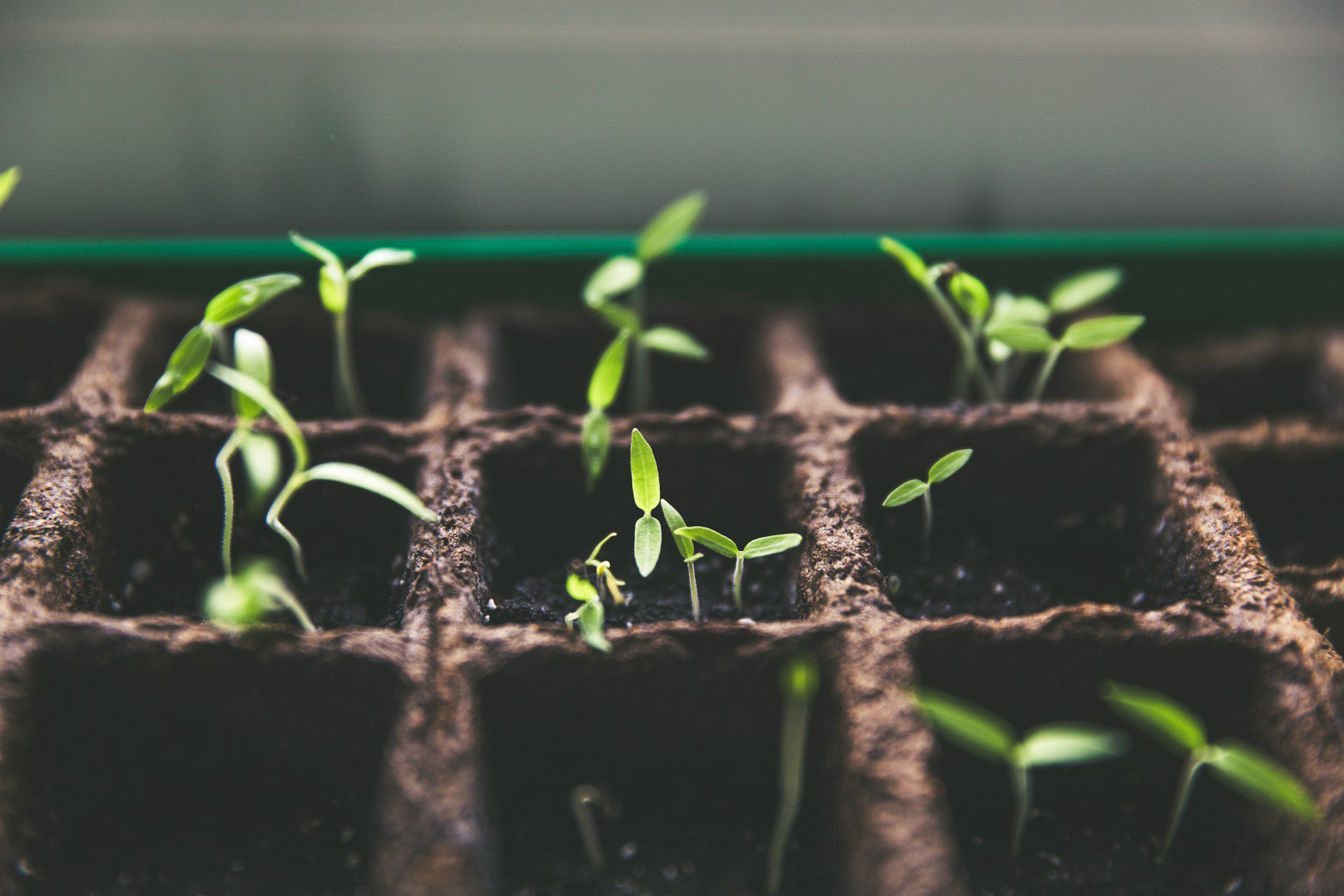
- Start your garden seeds indoors
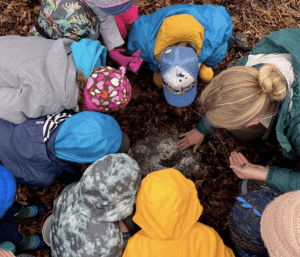
If you’re interested in getting closer to nature, join our Outdoor Learning Retreat that we host every April! We’ve got a fun lineup of classes, with some incredible instructors. To find more information, visit our website. Make sure you don’t lose your spot! Registration ends three weeks prior.
A Season of Renewal
The spring equinox may be a moment on the calendar, but to many of us, it represents something bigger. Every day afterwards grows lighter, warmer, and more alive. Whether you’re watching geese return, checking your garden beds, or simply noticing that the sun feels a little higher in the sky, this is the season of nature’s reset. Spring is coming, and the balance has shifted. Nature is waking up.